
Bloomington, MN
Bloomington Garage Door Pros
Garage Door Repair Built Around Bloomington's Housing Stock
Bloomington Garage Door Pros repairs broken springs, openers, and tracks on the 1960s-70s torsion hardware common in Bloomington, MN homes across town.
- Licensed & Insured
- Same-Area Service Calls
- Upfront Pricing
How We Can Help
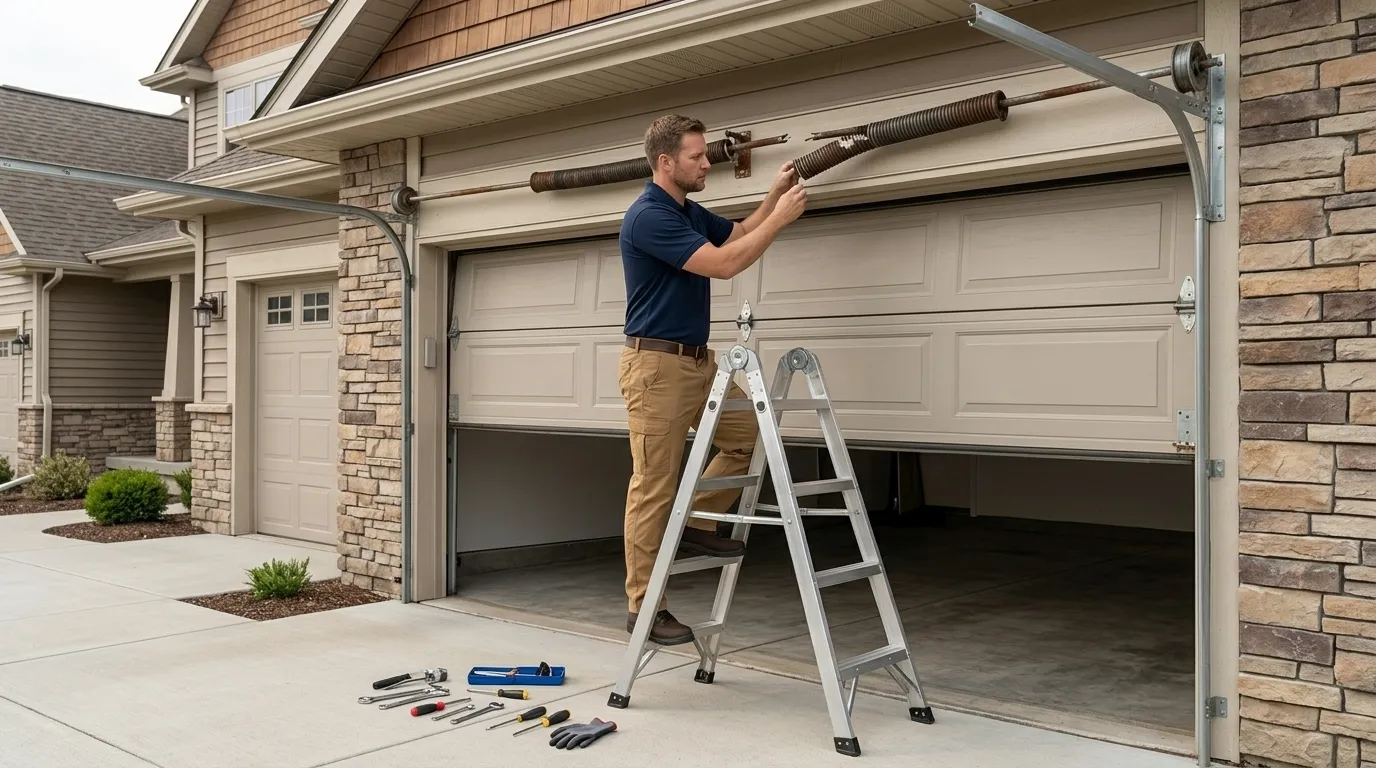
Garage Door Roller Replacement
Worn, noisy rollers swapped for smooth nylon ones so the door runs quiet.
Learn more →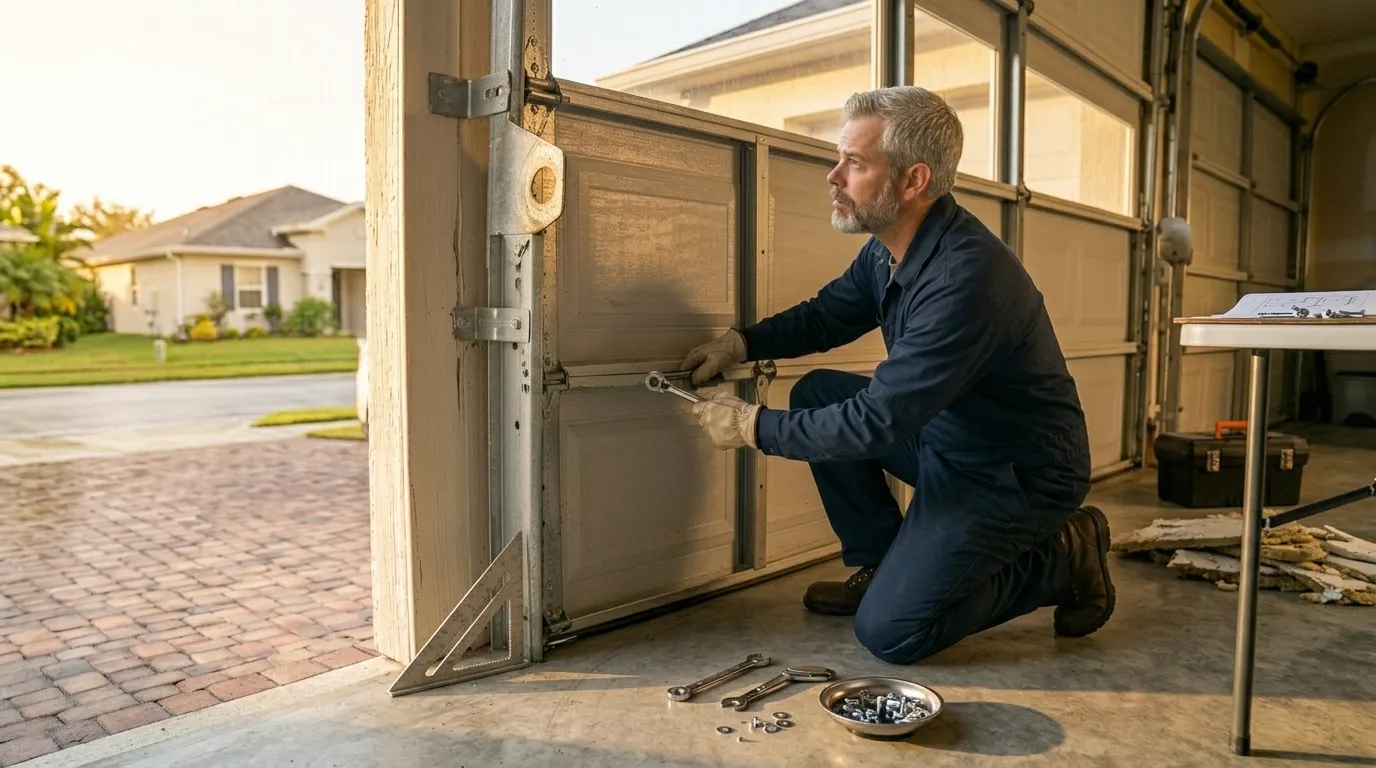
Garage Door Repair
Springs, cables, tracks, rollers, and openers fixed by a tech who explains the problem before touching anything.
Learn more →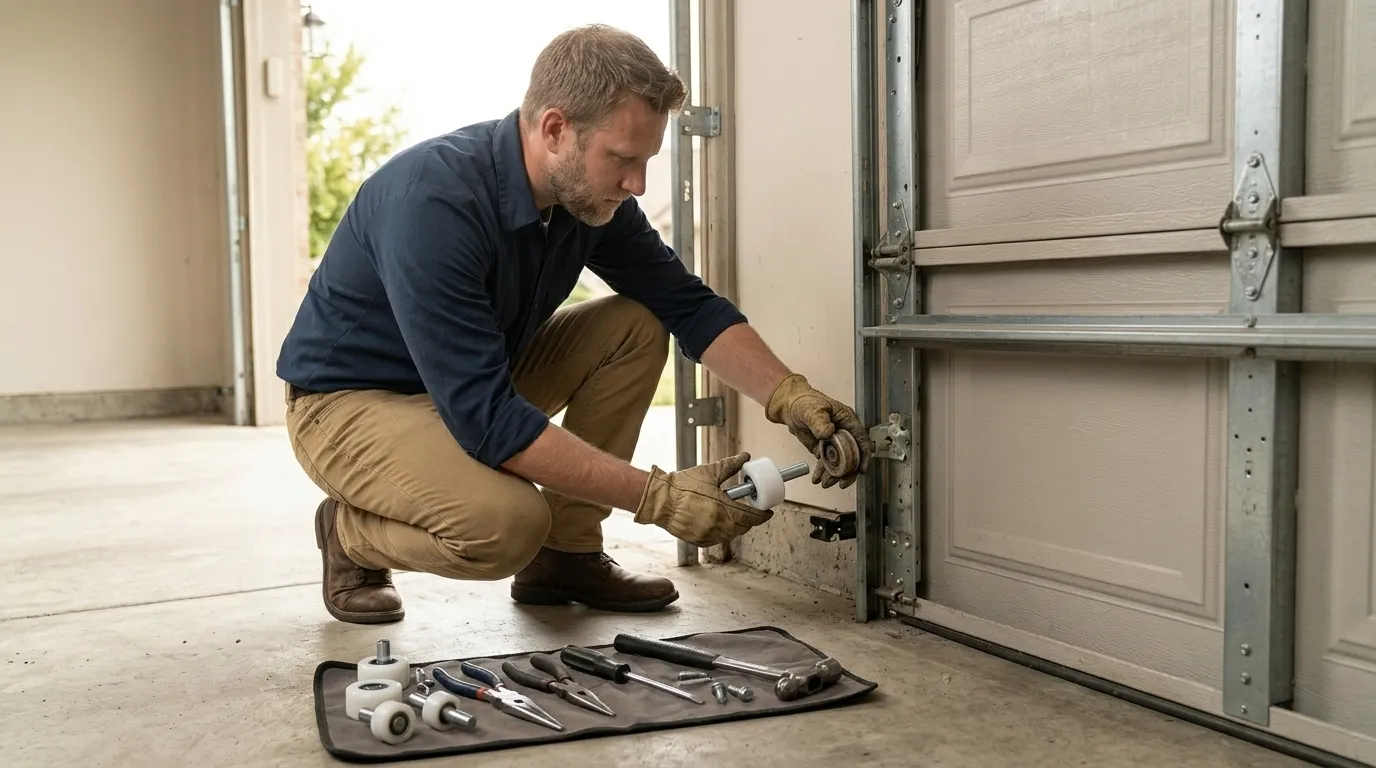
Garage Door Maintenance
Garage Door Maintenance handled by trained, insured local technicians with upfront pricing.
Learn more →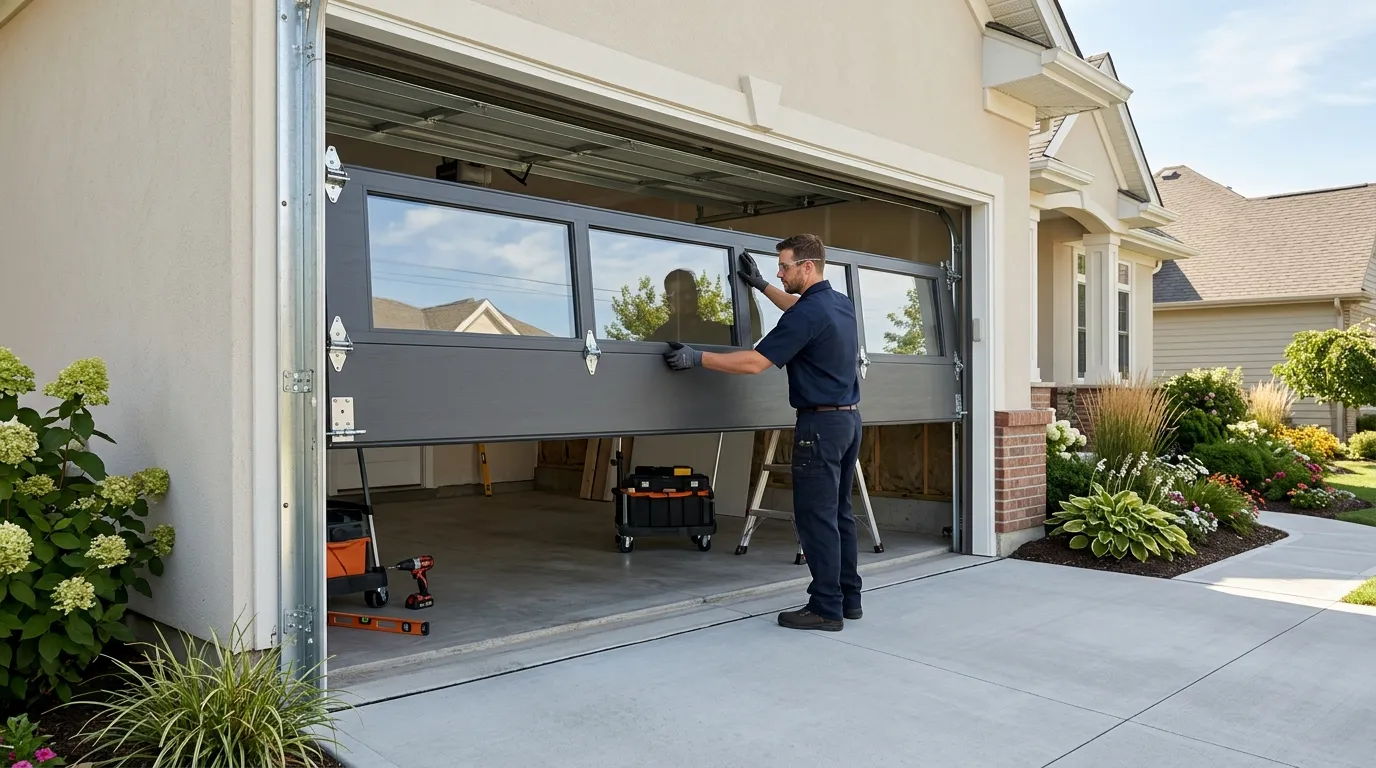
Garage Door Off Track
Doors that jumped the track reset safely, with rollers and alignment checked so it holds.
Learn more →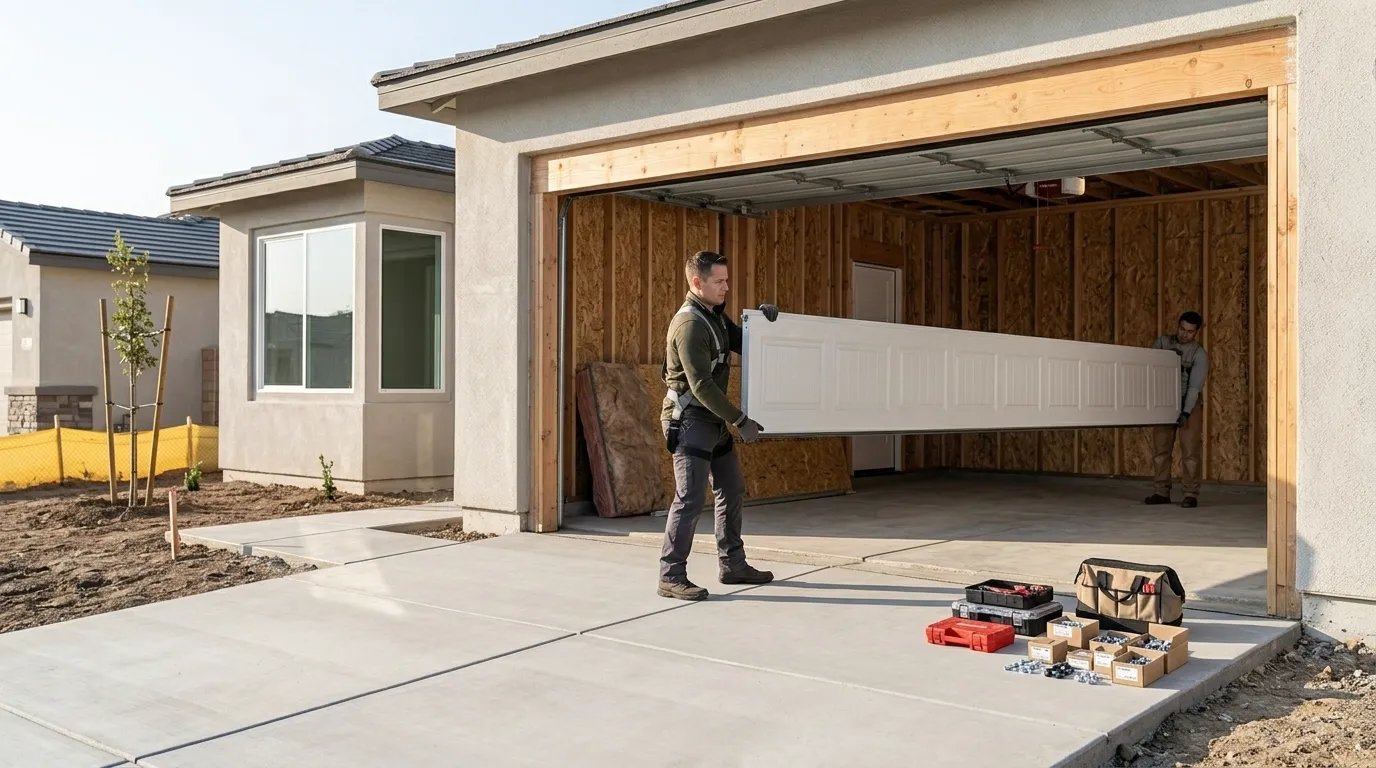
Garage Door Service
Tune-ups, lubrication, and safety checks that catch a small problem before it becomes a service call.
Learn more →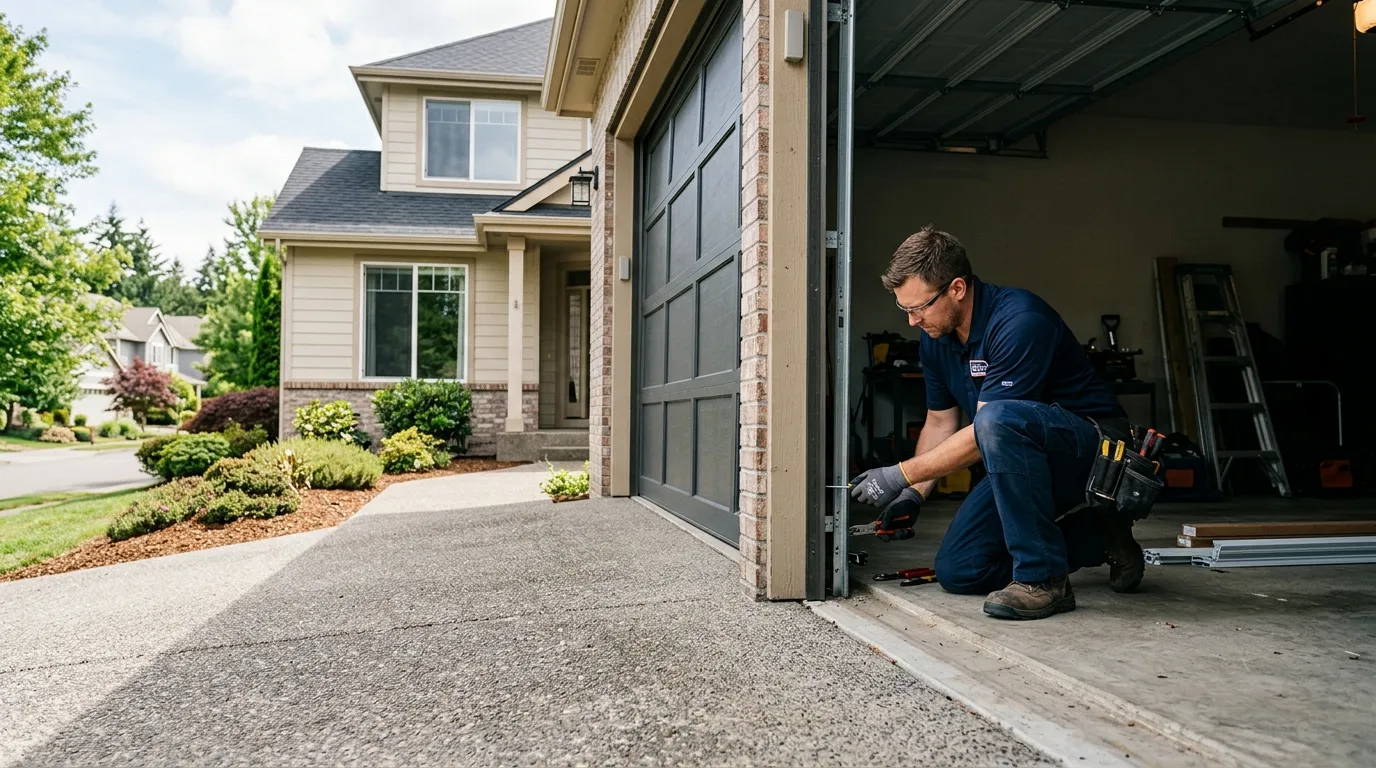
Garage Door Cable Repair
Frayed or snapped lift cables replaced and tensioned so the door lifts level and safe.
Learn more →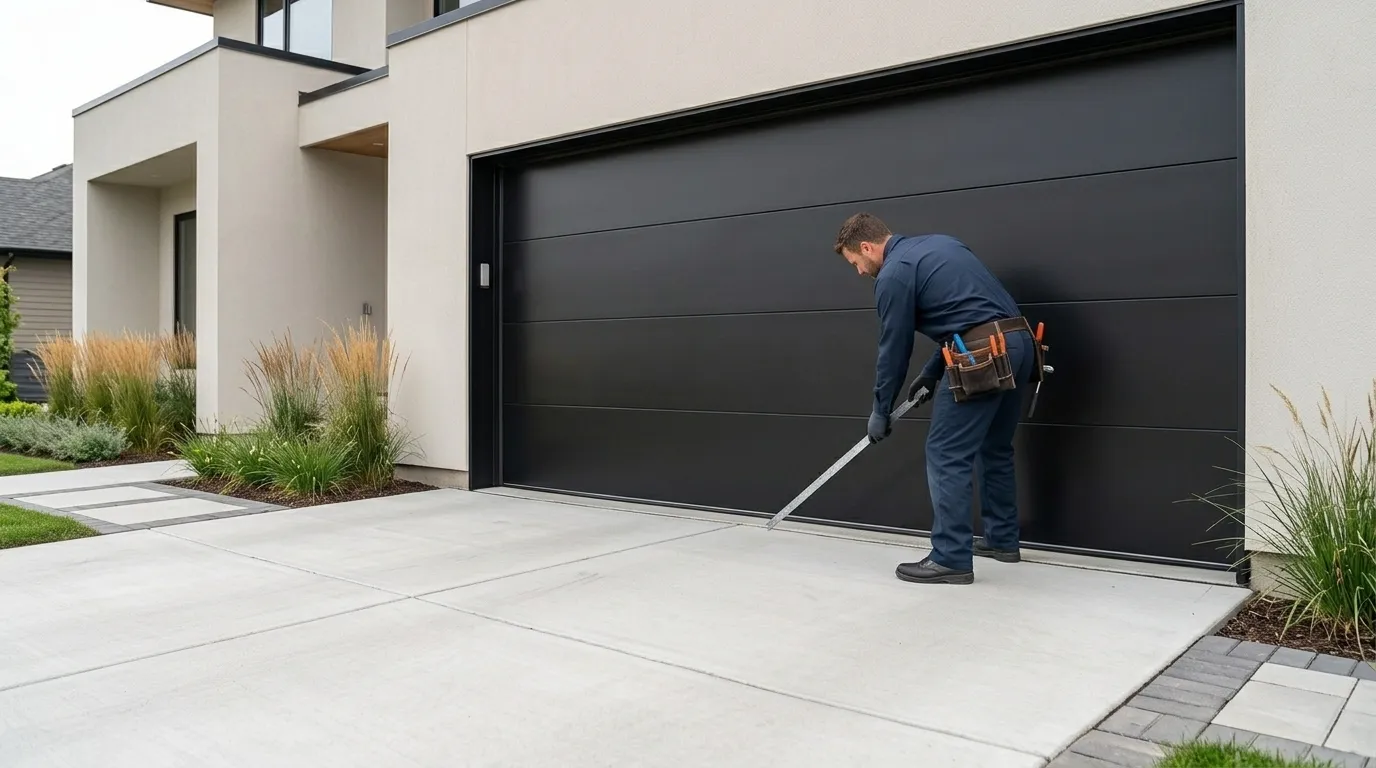
Garage Door Installation
New sectional doors sized and installed for the housing stock actually built in this area.
Learn more →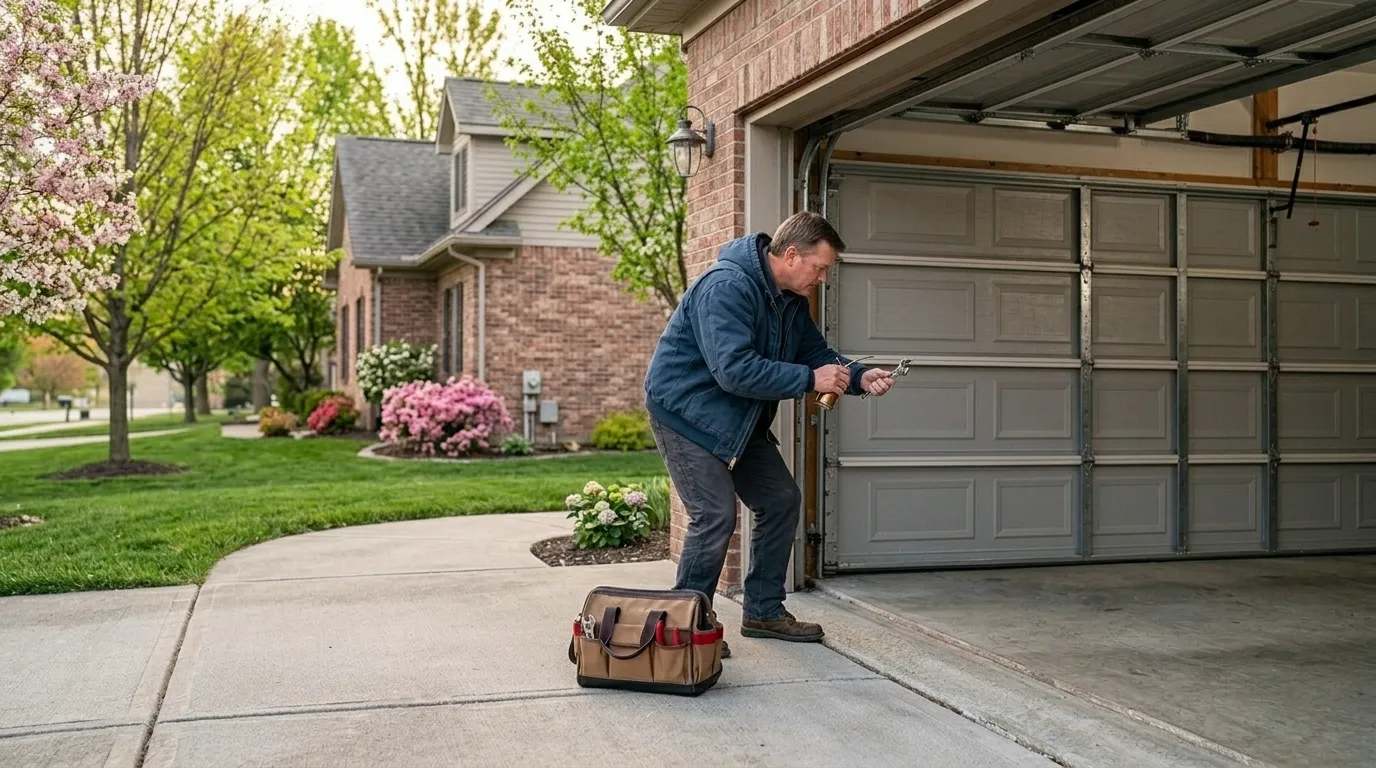
Garage Door Opener Repair
Openers that hum, stall, or reverse - diagnosed and fixed, from worn gears to logic boards.
Learn more →Why Bloomington Calls Us
Local facts, not a franchise script.
What Happens When You Call
-
1
Call or Request a Quote
Tell us what the door is doing and roughly how old the house is - that alone points us toward the likely part before a truck leaves.
-
2
On-Site Diagnosis
A tech checks the spring, cables, tracks, and opener in person and tells you plainly what is actually wrong.
-
3
Straight Price, No Surprises
You get a number before any work starts. It covers parts and labor, nothing added after the fact.
-
4
Fixed the Same Visit
Most repairs are done in one trip. If a part needs sourcing, we tell you that upfront instead of guessing.
What You Pay For
You're paying for a diagnosis that's actually right the first time, not a guess. A door that won't open could be a broken spring, a burnt-out opener capacitor, or a bent track - and on a lot of the original hardware still hanging in Bloomington garages, those parts don't look like what you'd find at a big-box store today. You pay for the labor to get the right part on the truck, the time to install it correctly, and the knowledge of which older torsion systems can be safely repaired versus which ones are worn past the point where patching them makes sense.
Here's the honest part: some original 1960s and 70s hardware uses spring winding cones, drums, or shaft sizes that aren't made anymore. When that happens, we tell you straight instead of forcing a mismatched part onto your door - sometimes that means a full torsion conversion instead of a simple spring swap, and that's a bigger job with a different cost. We'd rather explain that up front than have the door fail again in six months.
We don't publish a flat price list because garage doors aren't flat-rate work - a double door with two springs costs differently than a single door with one, and a stripped gear on an opener is a different job than a cable off its drum.
What We Fix Most Here
The calls we get most from Bloomington are broken torsion springs, openers that hum but don't lift, and tracks that have worked loose from decades of expansion and contraction. Bloomington sits in a cold-moderate climate band, and that matters more to a garage door than most people expect - steel springs lose tension as temperatures swing, and the cold makes old lubricant gum up right when the spring is under the most load, which is usually the coldest morning of the week.
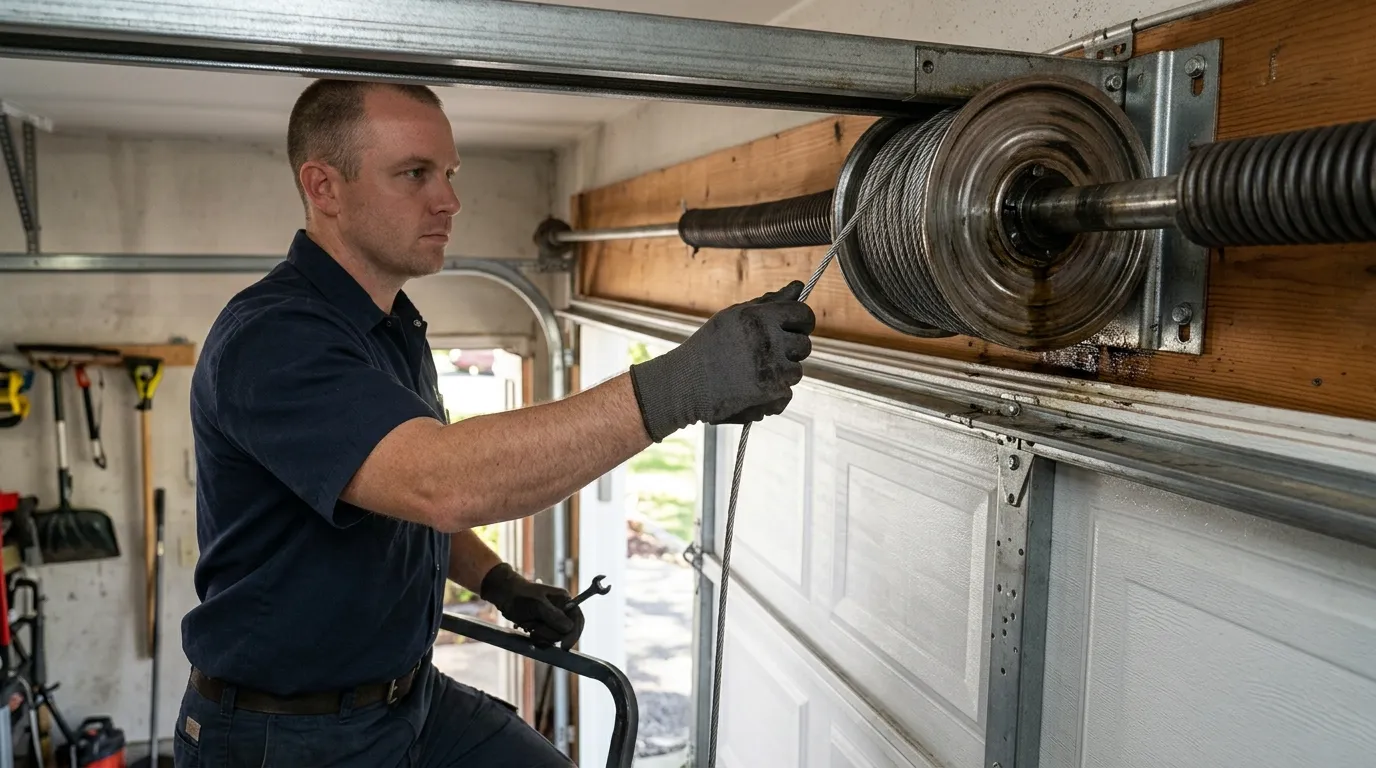
We also see a lot of cable fraying on doors where the original torsion hardware has never been replaced. Once a cable starts to fray near the drum, it's a matter of when it lets go, not if - and when it does, the door usually comes down unevenly and can jump the track. Opener issues run second: gears stripped from age, sensors knocked out of alignment, and the odd remote that's simply died after twenty-some years of use.
What we don't do is push a full replacement when a repair will hold. If a spring's gone but the track, rollers, and opener are all sound, we replace the spring and leave the rest alone. Replacement makes sense when the door itself is failing structurally, not just one part of the system.
What Gets Built Around Here
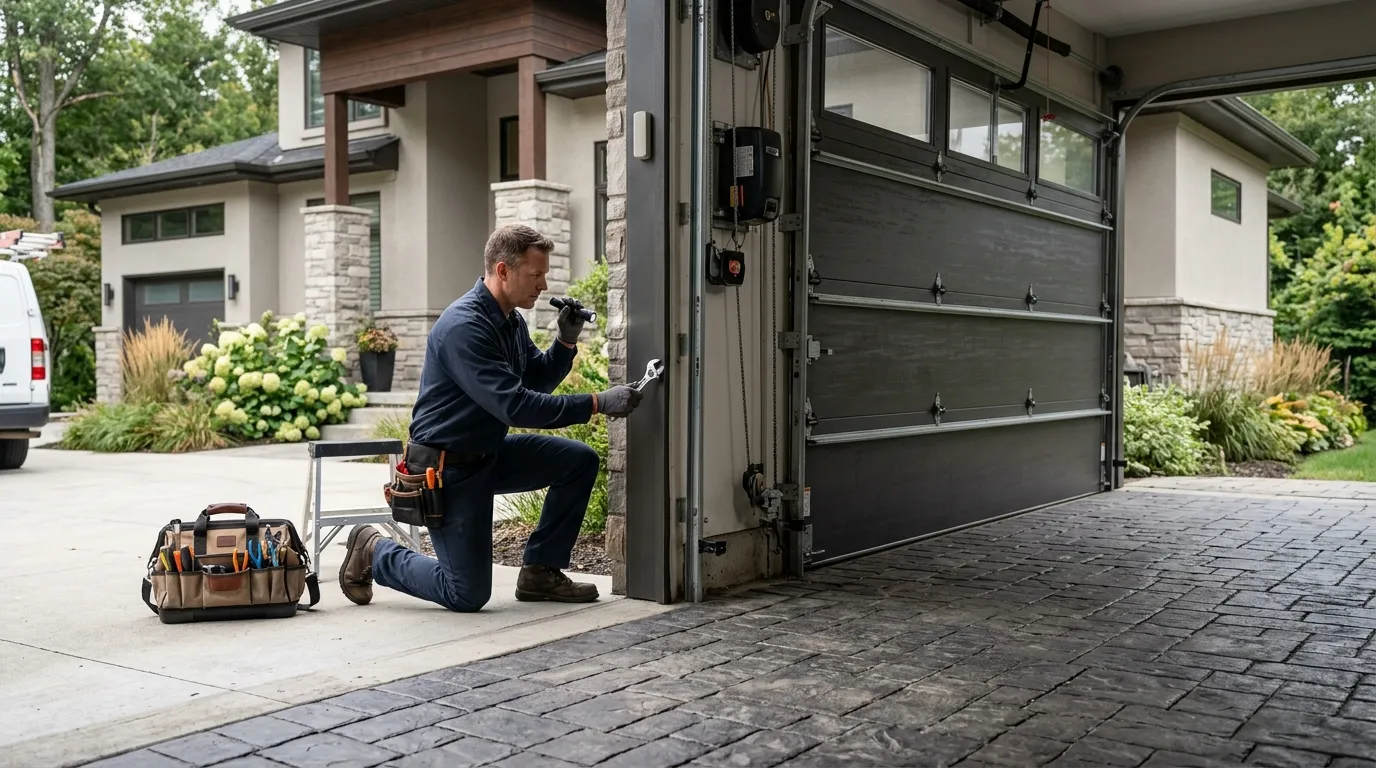
Housing across the service area was mostly built between 1956 and 2005, with the median build year landing at 1973 - which puts a lot of Bloomington squarely in that first wave of postwar and split-level construction. Across the 43 named areas that make up this stretch of the metro, the dominant housing stock is 1960s and 70s: attached garages with single or double doors, torsion springs mounted on a center shaft, and openers that in many cases have already been swapped out once or twice since the house was built.
The area carries 244,097 households total, with 107,693 of those owner-occupied houses - the kind of housing stock where garage doors get used daily and get fixed rather than replaced on a whim. Median household income across the service area sits at $95,972, which tracks with what we see on calls: homeowners who want the job done right the first time and aren't looking to cut corners on a part that's going to fail again in a year.
A door built in 1973 and a door built in 2005 aren't the same animal, even on the same street. We ask about the age of your house early in a call because it tells us a lot about what's likely behind that panel before we even get there.
Areas We Cover
We work from Bloomington out, and the closest neighborhoods and cities give a sense of the ground we cover. West Bloomington sits about 2 miles southwest of the core, and the South Loop District is about 4 miles east-northeast - both inside the day-to-day range for a call.
From there it widens: Richfield is 4 miles out, St. Louis Park 9 miles, Mendota Heights 10 miles, Credit River and Golden Valley both around 11 miles.
Further out we still take calls in Jackson, Chanhassen, West St. Paul, and Inver Grove Heights, all around 12 miles, and in Deephaven, Falcon Heights, Woodland, and Excelsior around 13 miles. At 14 to 16 miles we reach Robbinsdale, Wayzata, South St.
Paul, Crystal, Shorewood, St. Anthony, New Hope, Roseville, Columbia Heights, St. Paul Park, Newport, Coates, Orono, Carver, Long Lake, and Brooklyn Center.
Victoria, at 17 miles, is about as far as we'll go on a standard call.
If you're not sure whether your address falls inside that range, call and ask - it's a quick answer, and we'd rather tell you plainly than have you wait on a truck that's not actually coming.
How a Call Goes
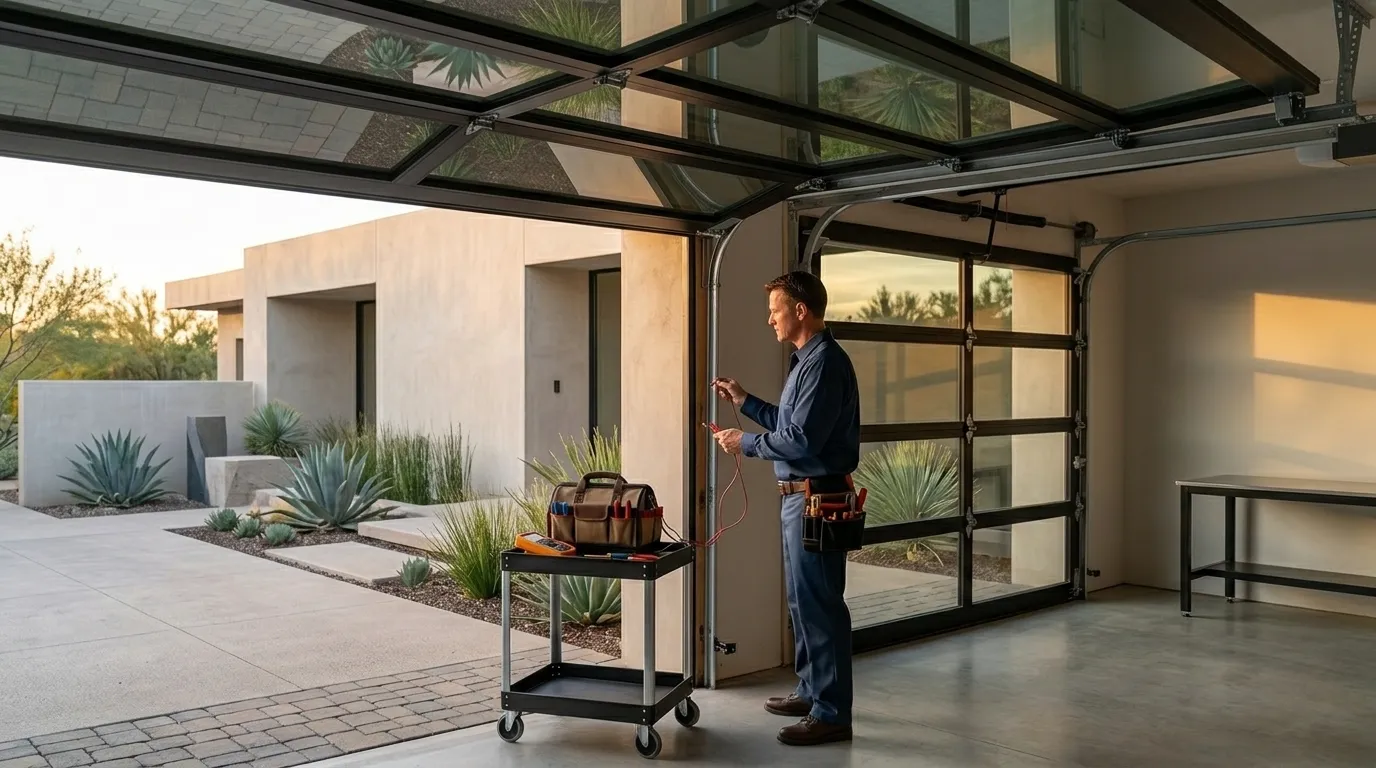
You call, you describe what the door is doing - won't open, opens crooked, makes a bang and stops - and we ask a few questions about the age of the house and whether anyone's touched the door or opener recently. That tells us whether we're likely looking at a spring, a cable, a track, or the opener itself before a truck ever leaves.
On site, the first move is always a visual check of the spring and cable system before anything gets powered on - a door under broken spring tension is dangerous to open blind, and that's not a step we skip to save time. Once we know what's actually wrong, we walk you through it in plain terms: what failed, why, what it takes to fix it, and whether it's worth fixing versus replacing given the age of the rest of the system.
If the part's a common one, the job usually gets done in the same visit. If it's something less common - an older torsion cone, a drum size that's been phased out - we tell you that up front rather than promise a same-day fix we can't back up. We'd rather set the right expectation on the phone than surprise you on the driveway.
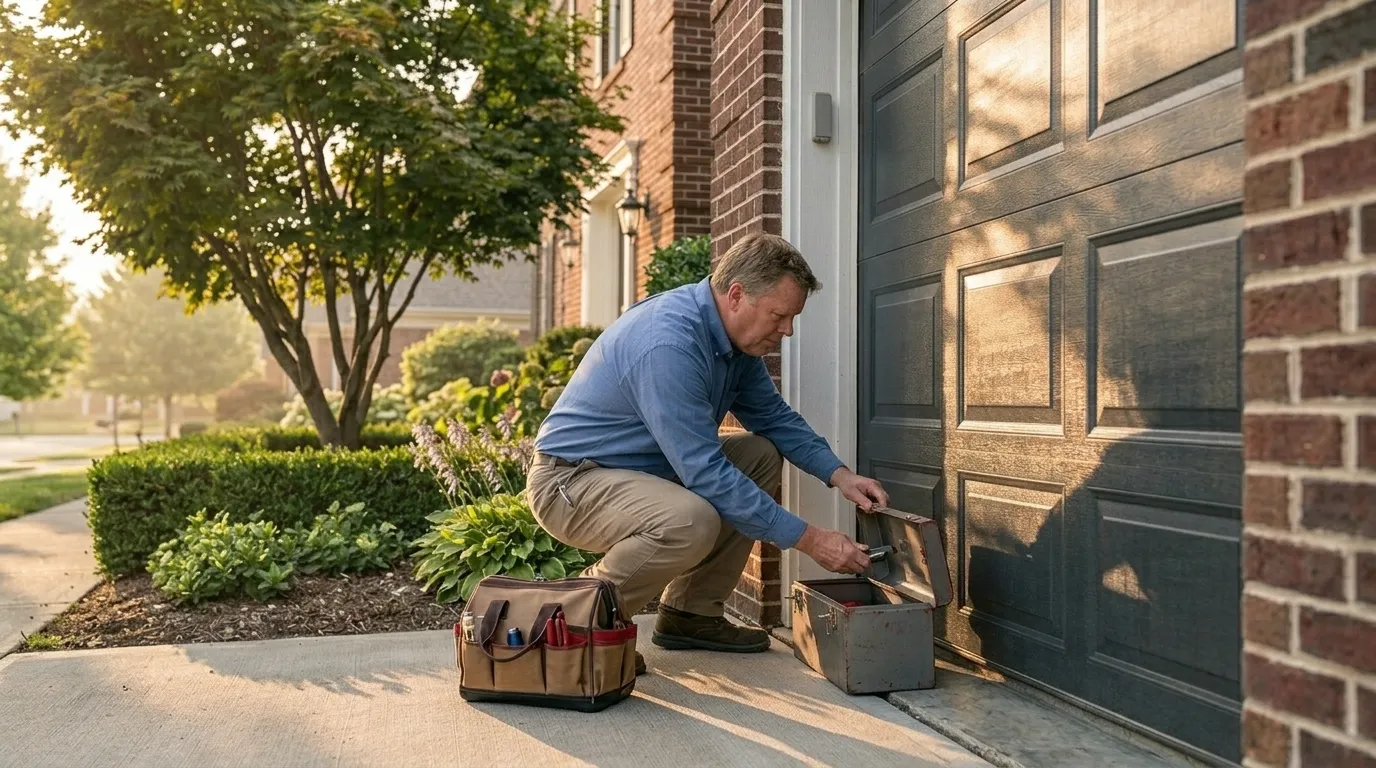
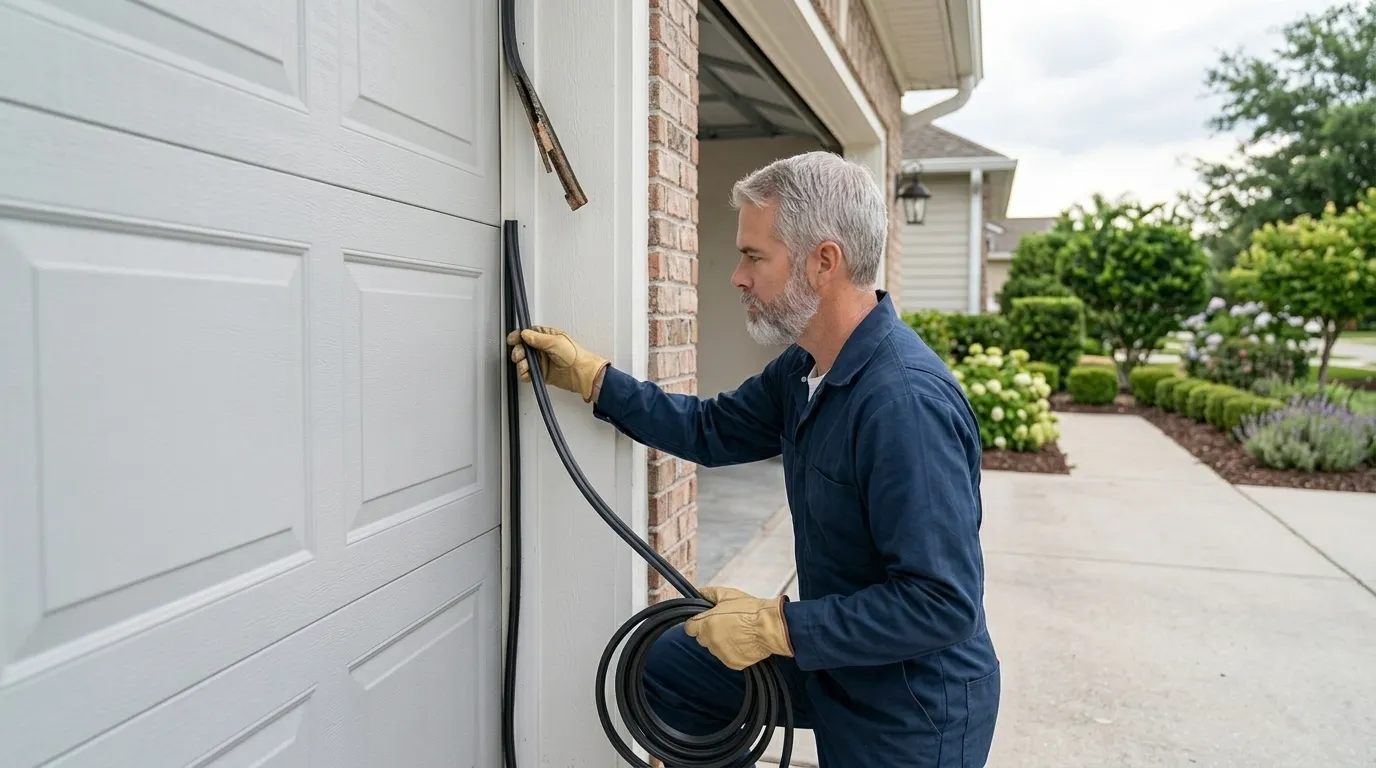
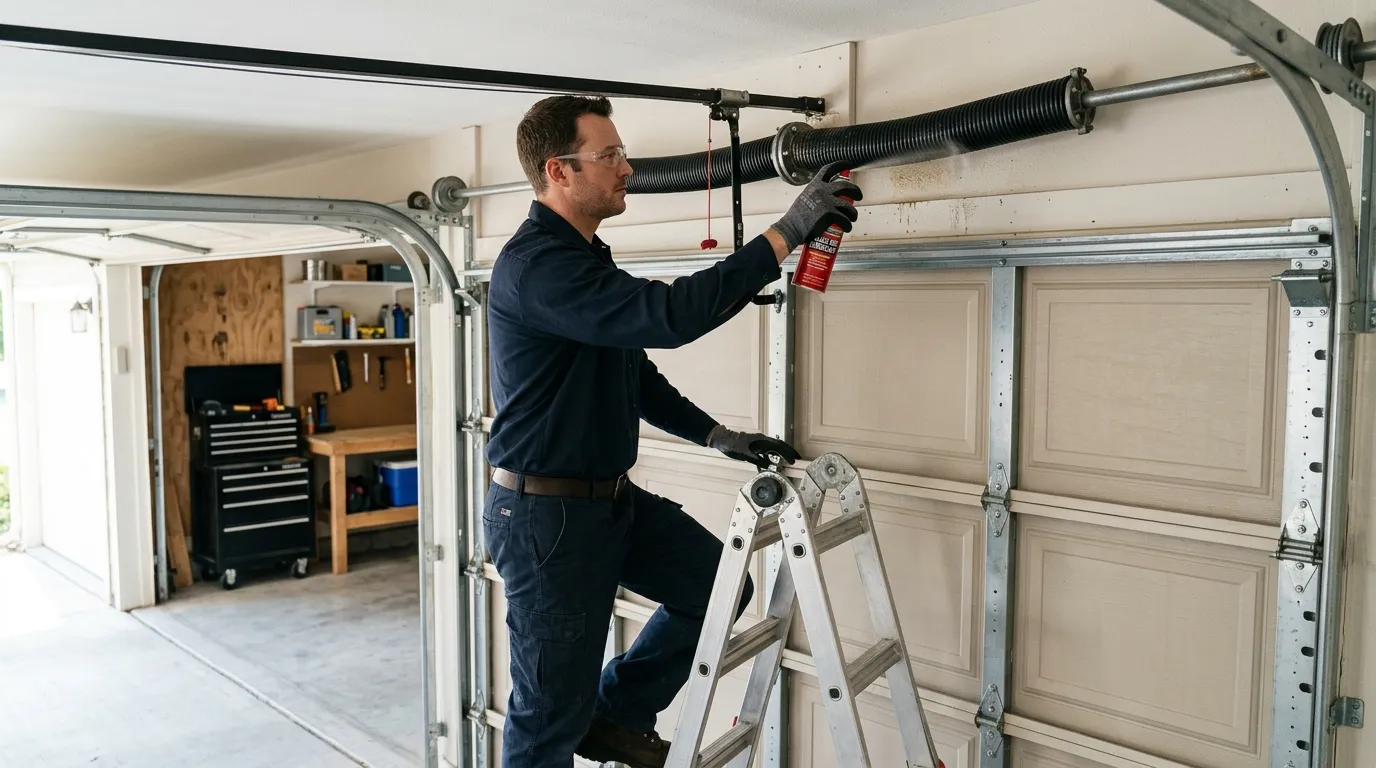
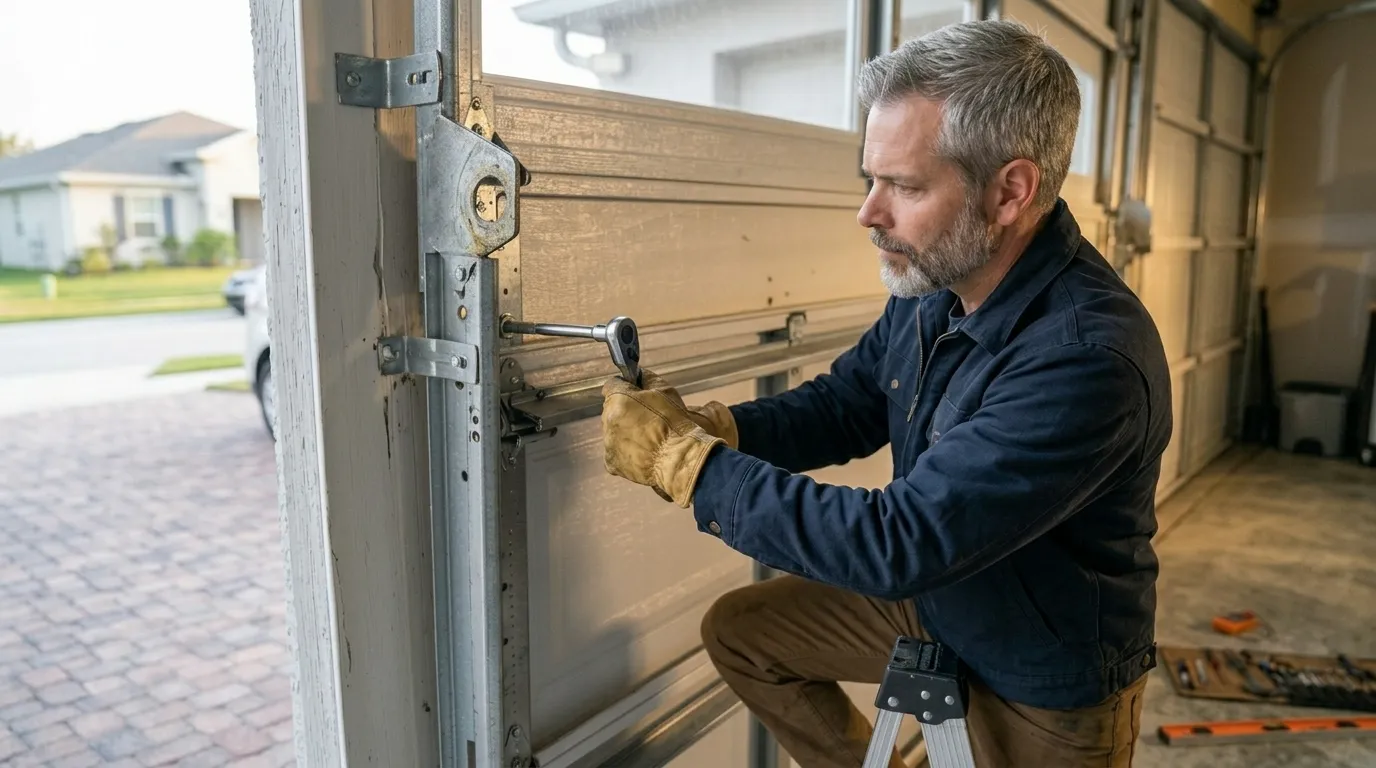
Recent Work Around Bloomington
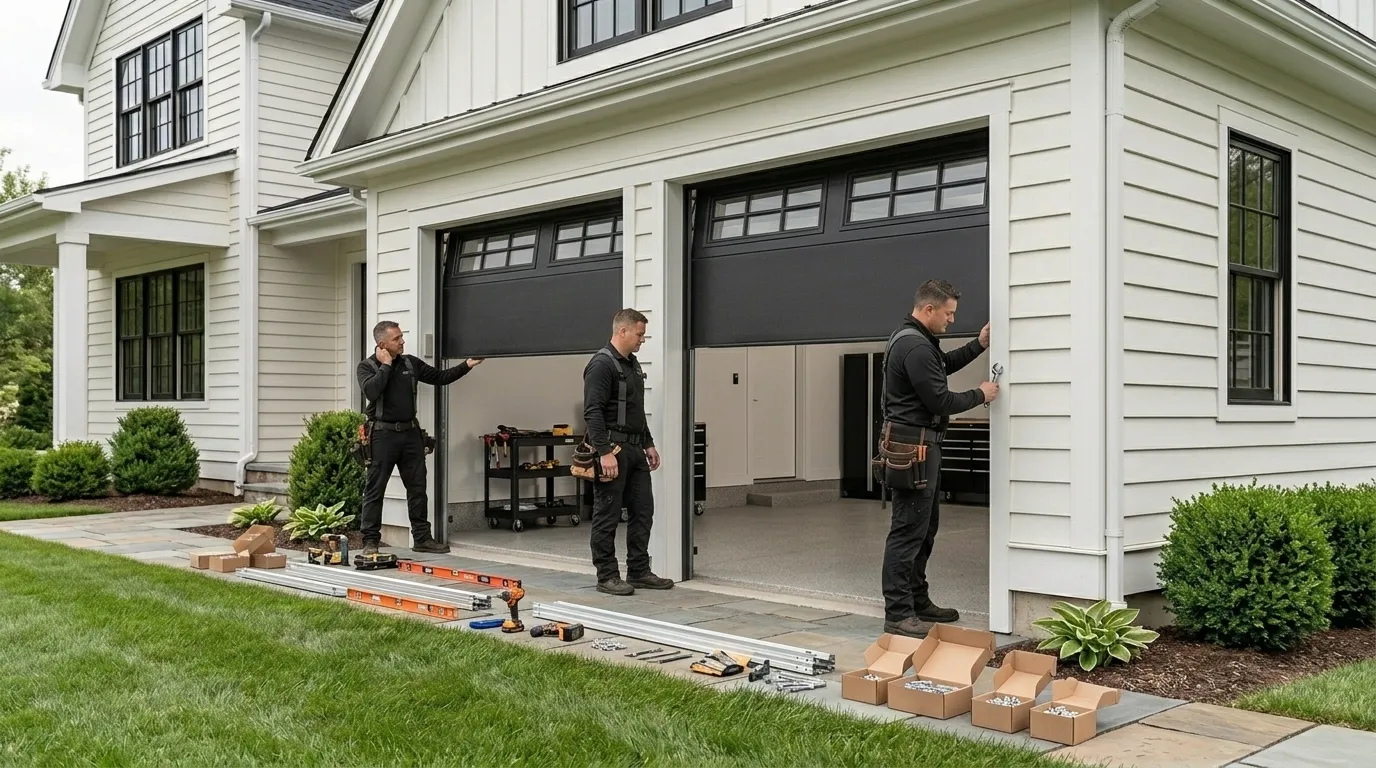
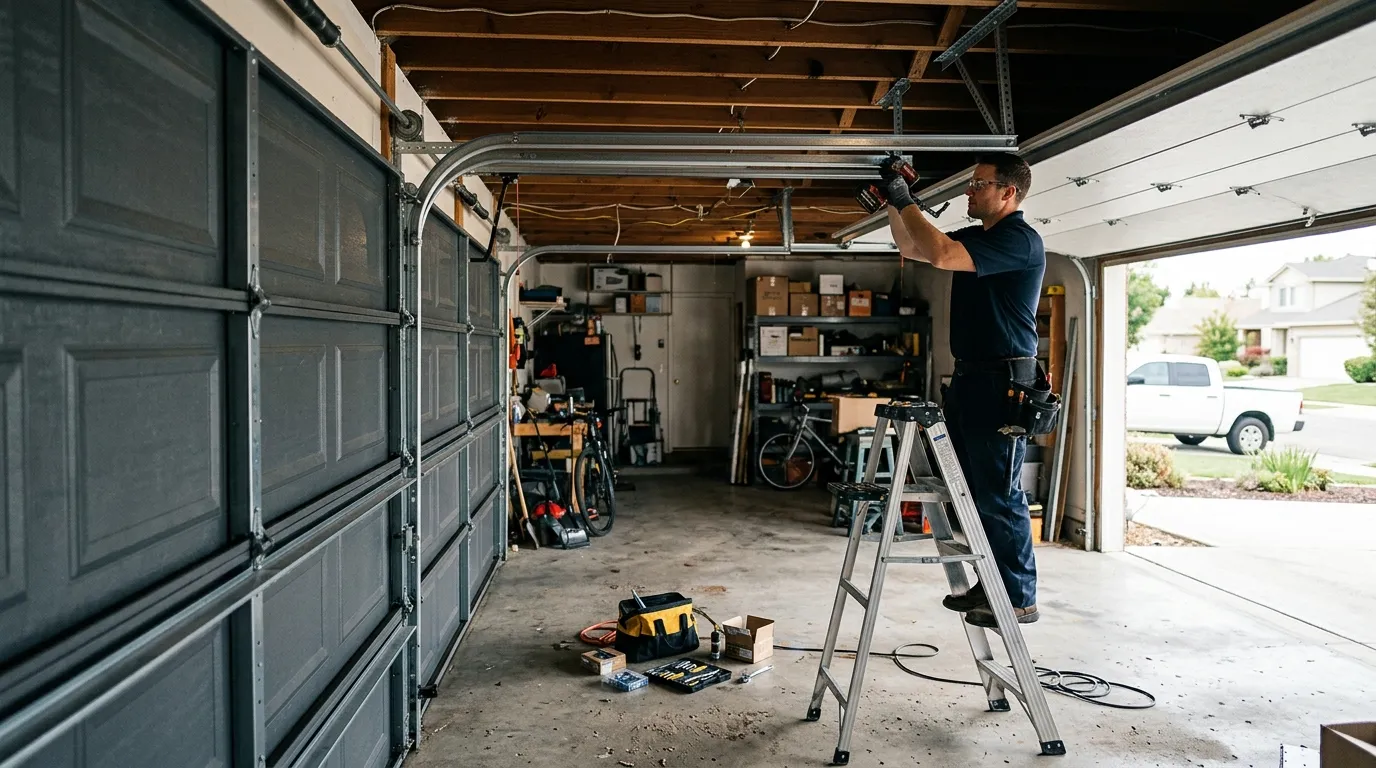
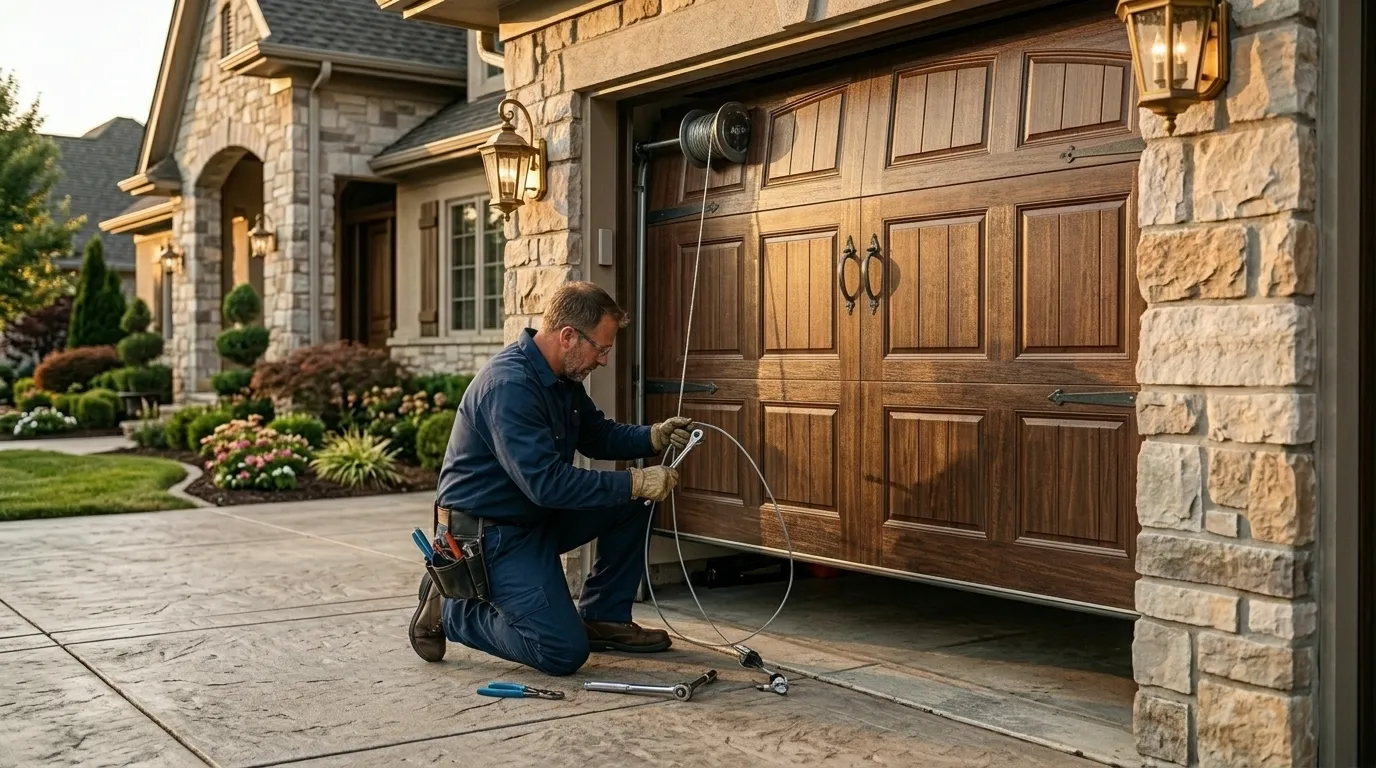
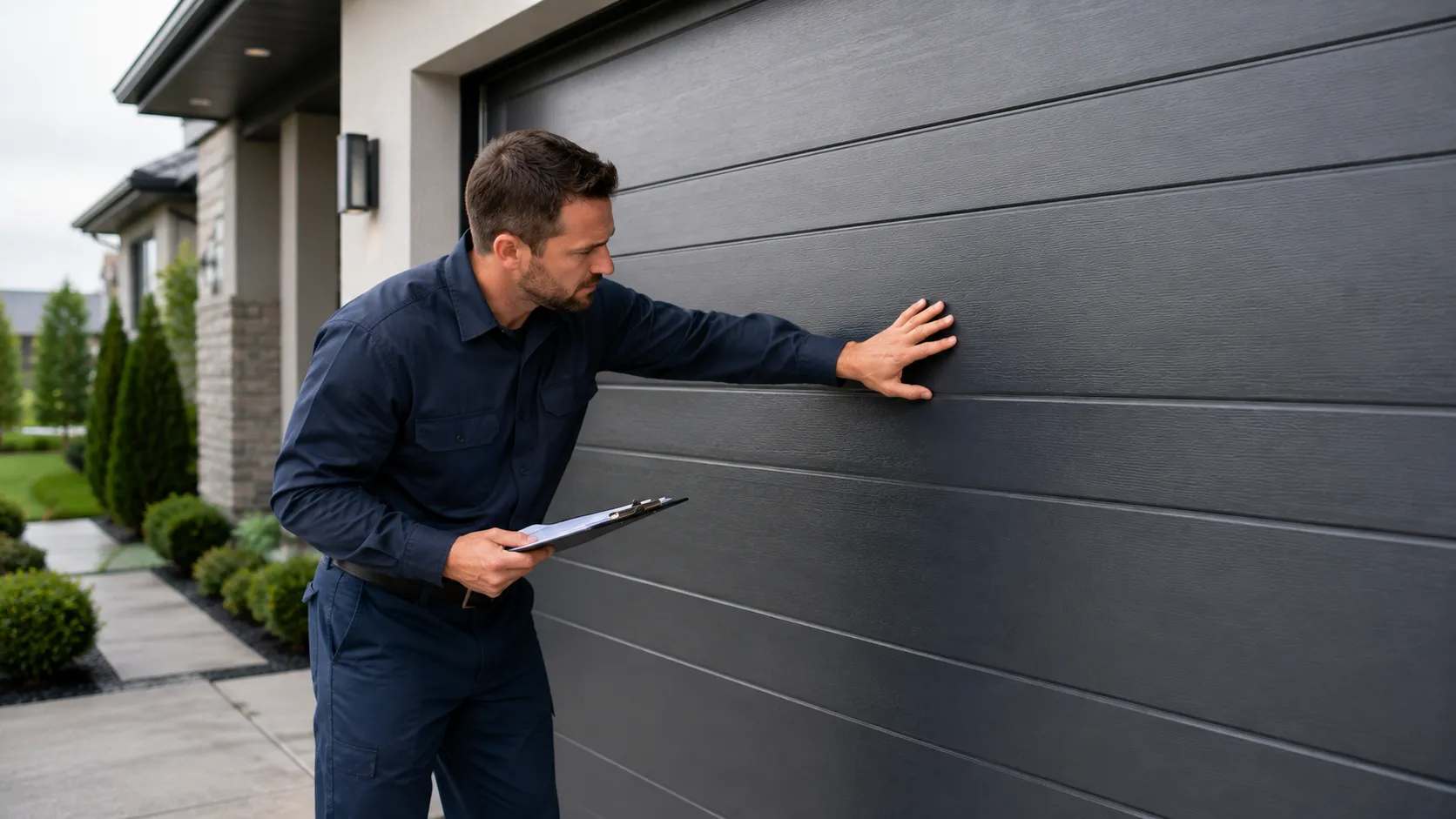
A look at the doors, springs, and openers our crew has been on lately.
Areas We Serve
Frequently Asked Questions
Why do my springs keep breaking in winter?
Bloomington sits in a cold-moderate climate band, and steel torsion springs lose tension as temperatures drop. Old lubricant also thickens in the cold, which adds friction right when the spring is under the most strain - usually on the coldest morning of the week. That combination is why winter is when most spring failures show up here.
My house was built in the 1960s - is that a problem for repairs?
Not usually, but it matters. A lot of Bloomington's housing stock dates to the 1960s and 70s, and some of that original torsion hardware uses cones or drum sizes that aren't made anymore. When that happens, a straight spring swap isn't possible and we'll walk you through a torsion conversion instead.
Do you come out to West Bloomington or the South Loop District?
Yes, both are close in - West Bloomington is about 2 miles southwest of the core and the South Loop District about 4 miles east-northeast. Both are well within our regular coverage.
How far out do you go for calls?
We take calls out to about 17 miles, which reaches as far as Victoria. Closer cities like Richfield, St. Louis Park, and Mendota Heights are a routine part of our coverage. If you're unsure whether your address is in range, call and ask directly.
Is it ever better to replace the whole door instead of repairing it?
Sometimes. If the spring, cable, and opener are all failing at once, or the track and panels themselves are warped or rusted through, a repair just delays a bigger cost. If it's one part gone and the rest of the system is sound, repair is usually the right call.
Ready to Get Your Door Fixed Right?
Call now or request a quote online, and we will tell you straight what your door needs.