
Bloomington, MN
New Door Installation in St Louis Park
New Garage Door Installation for St. Louis Park Homes
St. Louis Park homes mostly went up around 1965, a bit earlier than the rest of the service area. That changes what a new door install actually involves here.
- Licensed & Insured
- Same-Area Service Calls
- Upfront Pricing
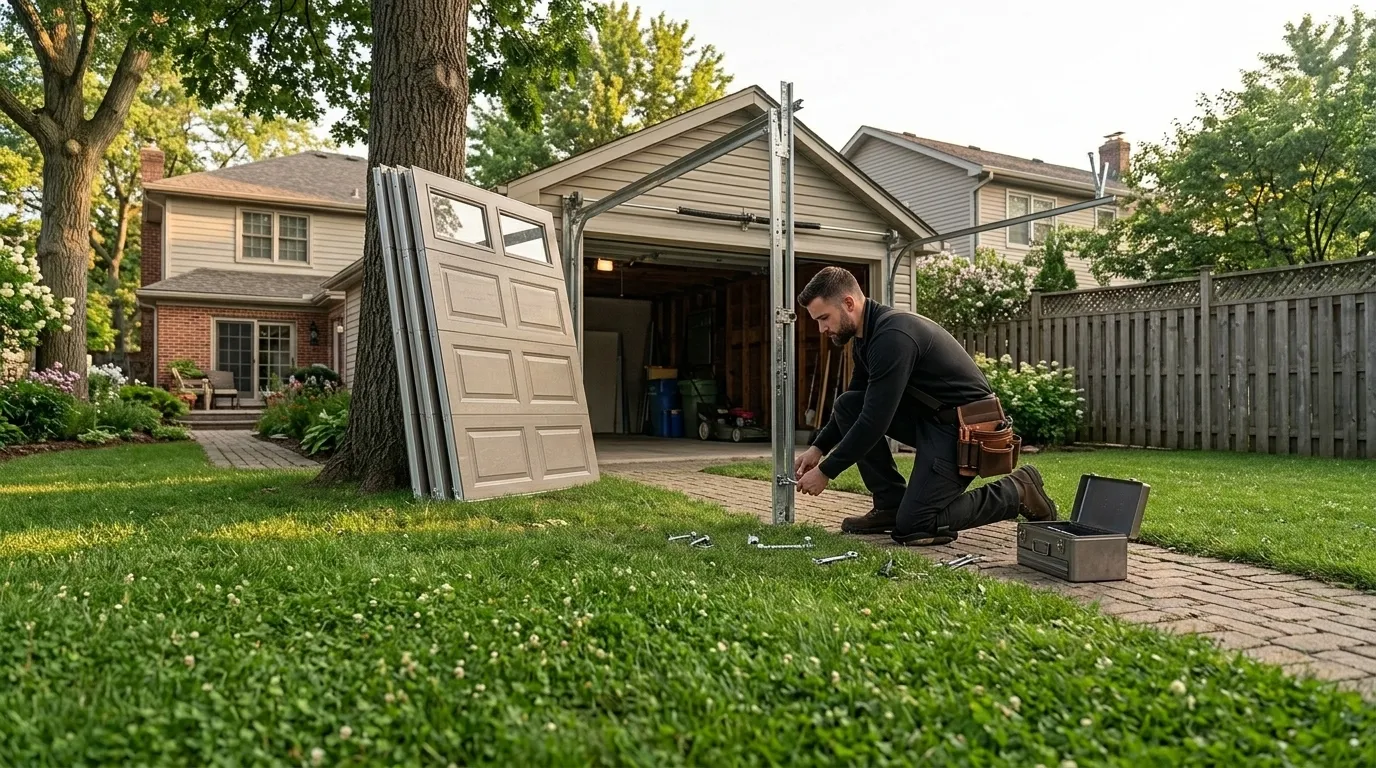
What Happens When You Call
-
1
Call or Request a Quote
Tell us what the door is doing and roughly how old the house is - that alone points us toward the likely part before a truck leaves.
-
2
On-Site Diagnosis
A tech checks the spring, cables, tracks, and opener in person and tells you plainly what is actually wrong.
-
3
Straight Price, No Surprises
You get a number before any work starts. It covers parts and labor, nothing added after the fact.
-
4
Fixed the Same Visit
Most repairs are done in one trip. If a part needs sourcing, we tell you that upfront instead of guessing.
Time on the Job
Bloomington Garage Door Pros drives out to St. Louis Park from our home base nine miles away. That's a short haul, but it matters for how we schedule the day: we bring the truck loaded for the job type we expect, not a generic kit, because we know what we're walking into before we knock.
Across the wider service area, the typical house dates to 1973. St. Louis Park runs a bit older, with most homes built around 1965.
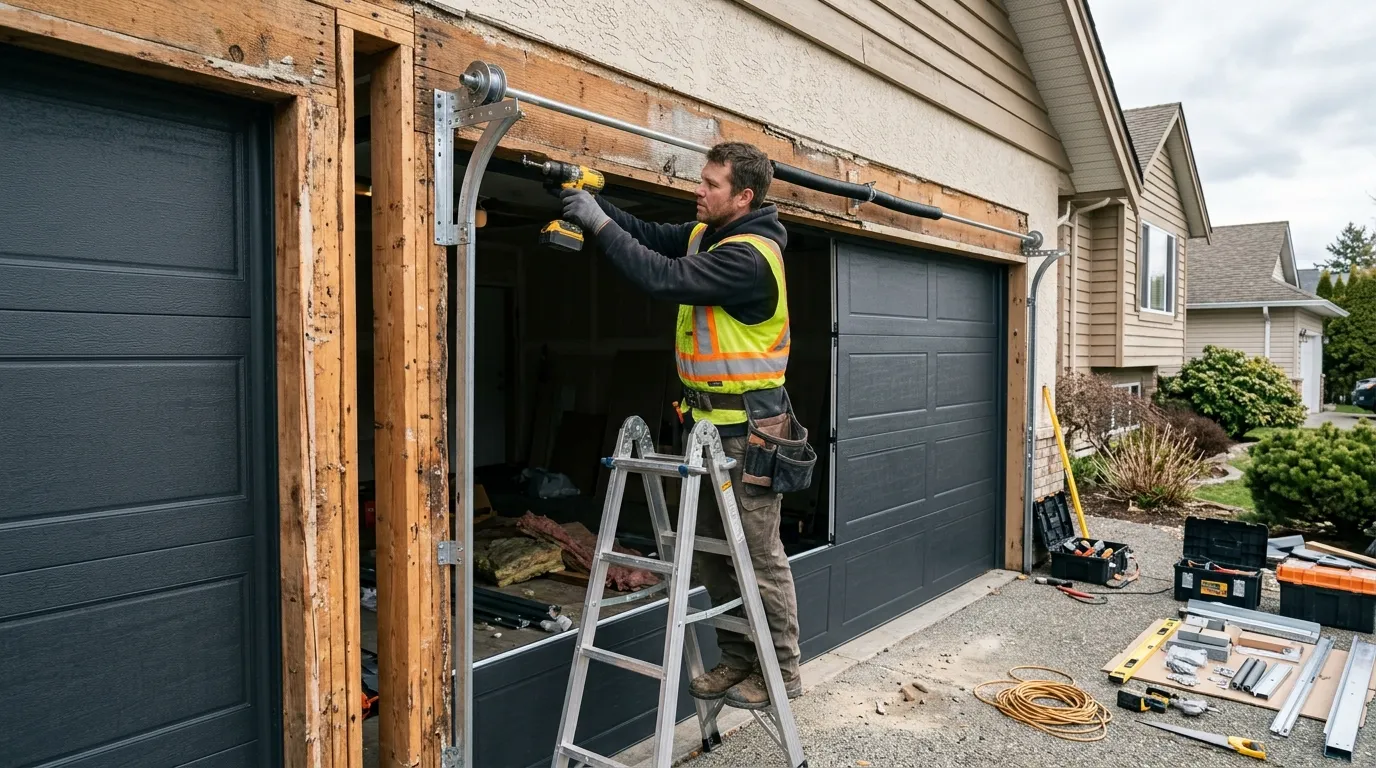
Those eight years matter more than they sound. A house from the mid-60s usually has a narrower original rough opening, older jamb framing, and in a lot of cases a header that was never sized for anything but the door that came with the house. A full-day install here often includes twenty minutes just squaring up an opening that's shifted with the house over sixty years, before the new door ever goes in.
We don't treat every stop in this area the same. A 1965 opening and a 1973 opening are different jobs, and we plan for that difference before we load the truck, not after we get there.
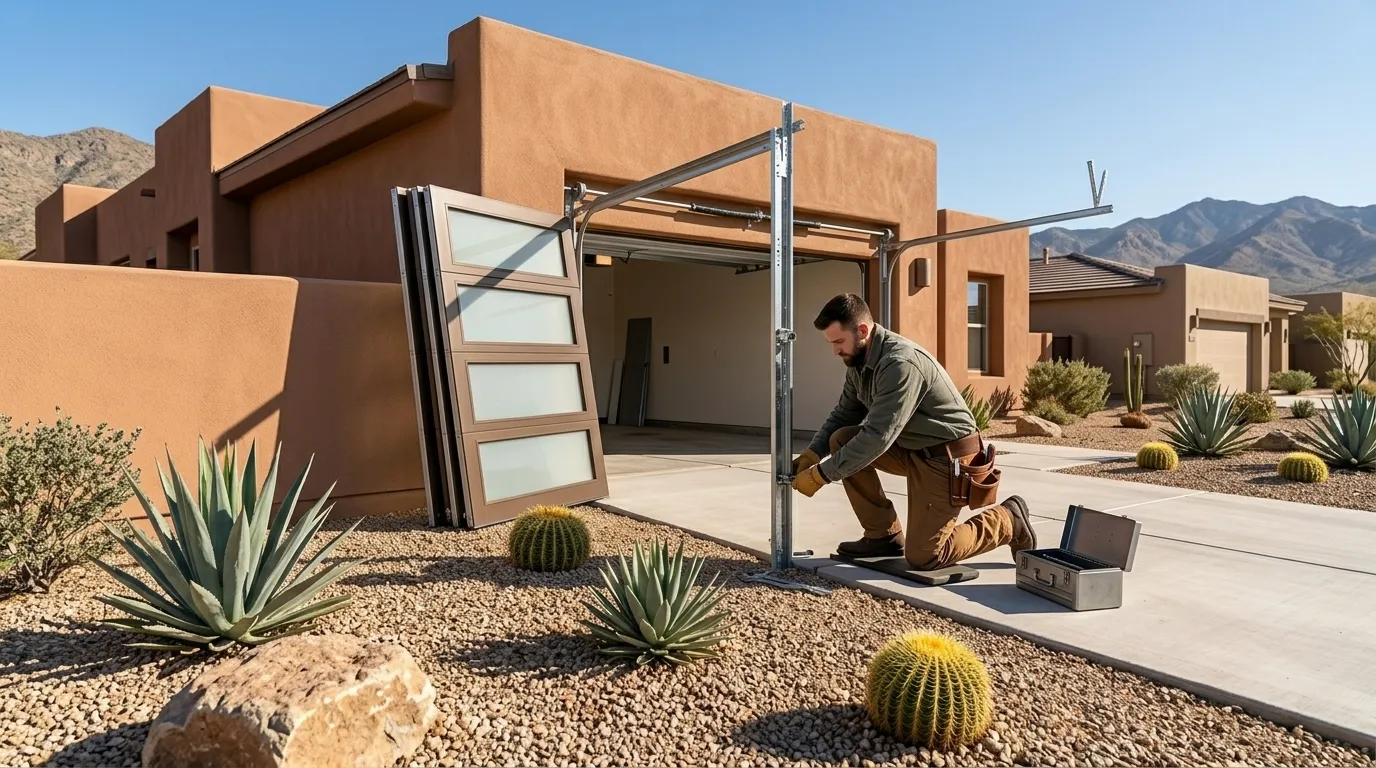
The Complications
The complication with mid-60s stock isn't the door - it's what's behind it. Framing from that era was built to code standards that have moved on twice since. On a lot of these houses, the original opening is an inch or two narrower than what current standard doors ship in, which means either a custom-width order or trim work on site to widen the jamb.
We're also working in a cold-moderate climate here, which shapes the install itself, not just the door. Insulated panel doors are worth the upcharge in this region because the temperature swing between a winter morning and a summer afternoon puts real stress on a door's material over decades - it's part of why so many original 1965 doors in this area are on their second or third set of hardware even if the panel itself still looks fine.
The honest limit here: if your opening needs structural framing changes - not just trim, but header work - that's a carpentry job first. We'll tell you straight if that's what we're looking at rather than forcing a door into a space that isn't ready for it.
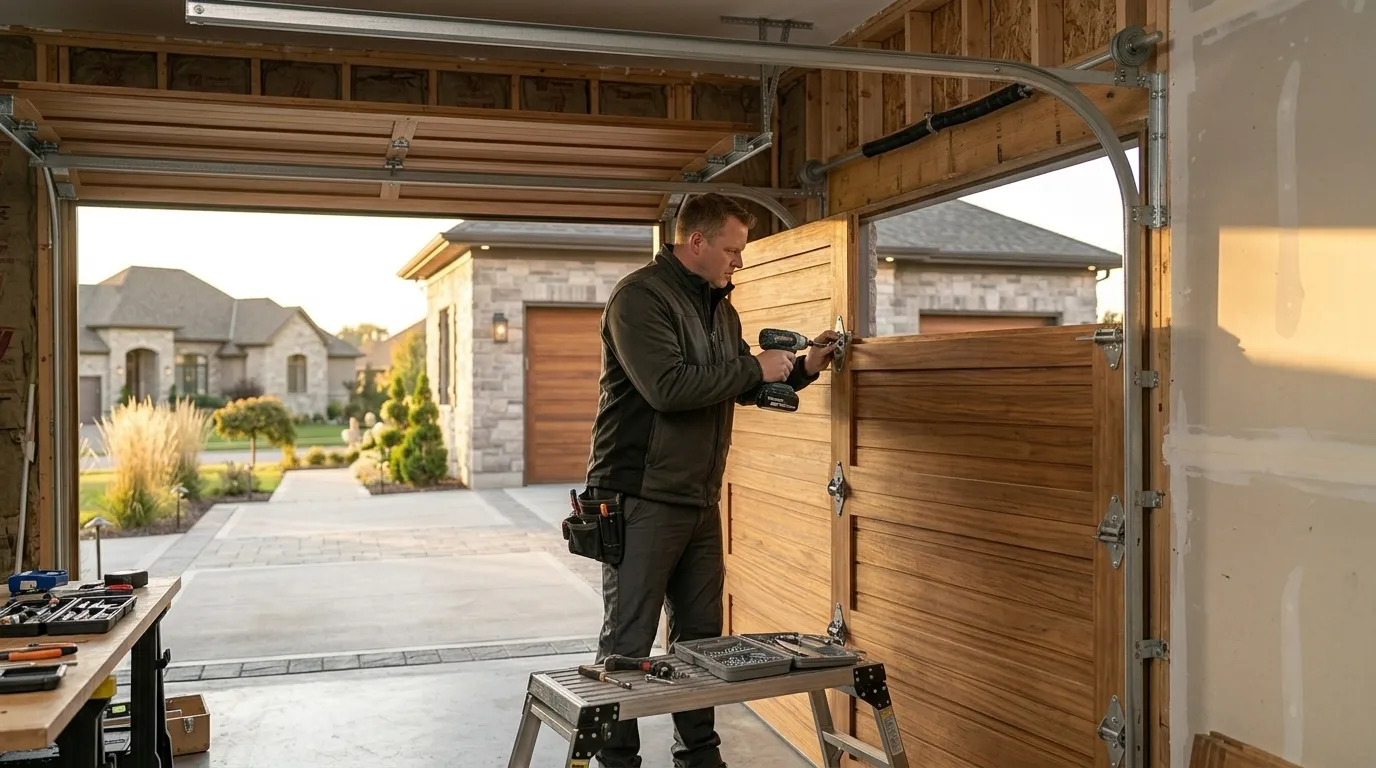
What the Repair Takes
A straightforward swap - same size opening, no framing changes - is usually a one-visit job: pull the old door and track, set the new jamb hardware if needed, hang the door, balance the springs, tune the opener. Where St. Louis Park differs from newer parts of the service area is the prep step before any of that starts.
On a home built around 1965, we check the header and jamb square before we order anything. If the opening's out of true - which happens after sixty years of settling - we shim and square it as part of the install rather than hanging a new door crooked on an old frame. That's an extra half hour to forty-five minutes most days, and it's the difference between a door that runs quiet for years and one that binds on the track within a season.
We also size springs to the actual door weight, not a standard chart number, since insulated doors sized for this climate band run heavier than the hollow doors a lot of these houses had originally.
The DIY Question
Swapping a garage door yourself is possible if you've got the tools and the patience, but the math changes on a house from this era. A modern prehung door kit assumes a modern opening. On a 1965 house, you're often correcting for an opening that's out of square before the door goes in at all, and that's not a one-person job with a level and a Saturday.
Spring tension is the other piece. A torsion spring under load can put someone in the ER if it lets go wrong, and the springs sized for an insulated door built for a cold-moderate climate carry more tension than the lighter doors these houses were built with. That's not a place to save the labor cost.
Where DIY makes sense: swapping weatherstripping, replacing a remote, lubricating hardware. Where it doesn't: anything involving the spring system or reframing an opening. We'd rather tell you that up front than get called after.
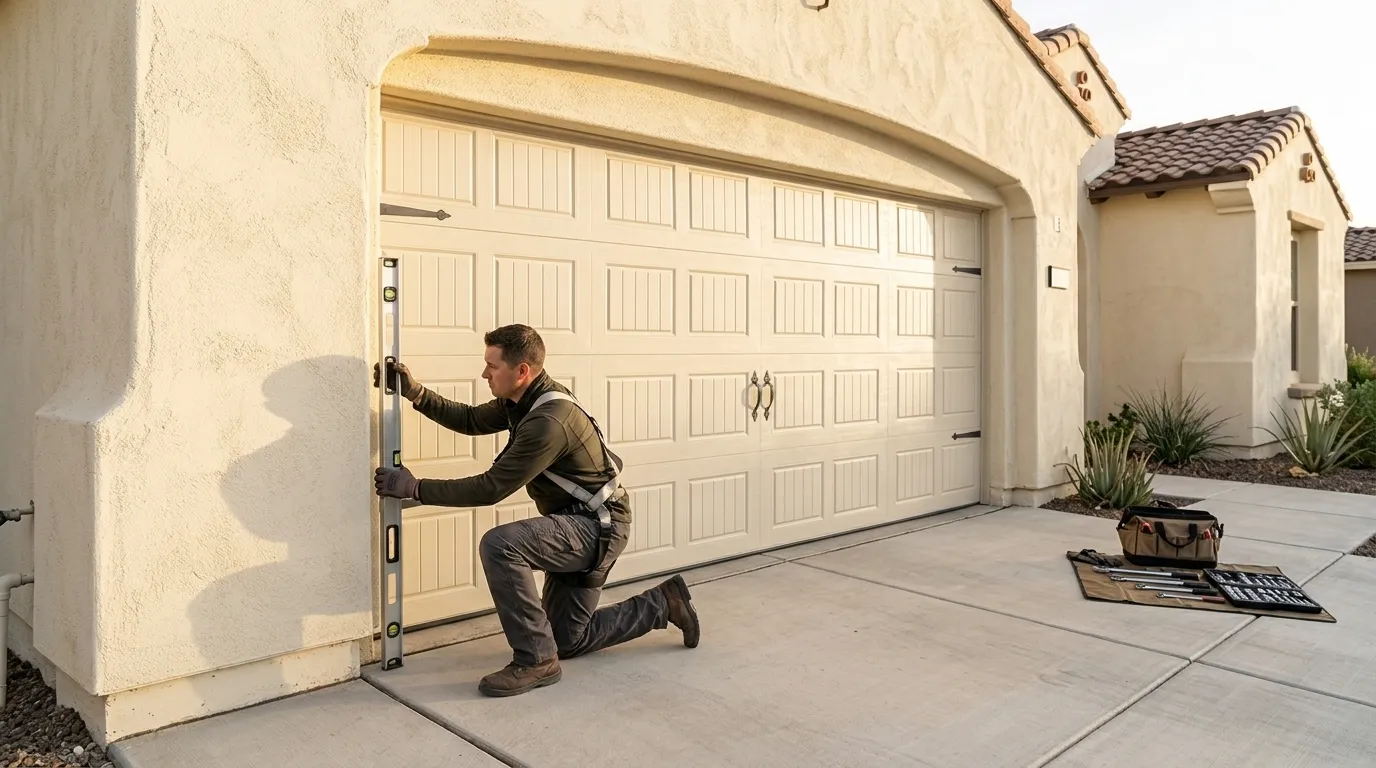
What You Pay
We don't have a set price to quote you here without seeing the opening - a straightforward same-size swap costs less than a job that needs jamb work or a custom-width door for an older opening. What we can tell you is what drives the number in this area specifically: household income here runs higher than the wider service area average, and we see more owners choosing insulated doors and upgraded openers as a result, which raises the ticket compared to a bare-bones swap elsewhere in the area.
The age of the house is the other lever. A 1965 opening that needs squaring or a wider rough-in adds labor time before the door itself is even a factor. We'll walk the opening, tell you which category your job falls into, and give you a number before we start - not after.
What Causes It Around Here
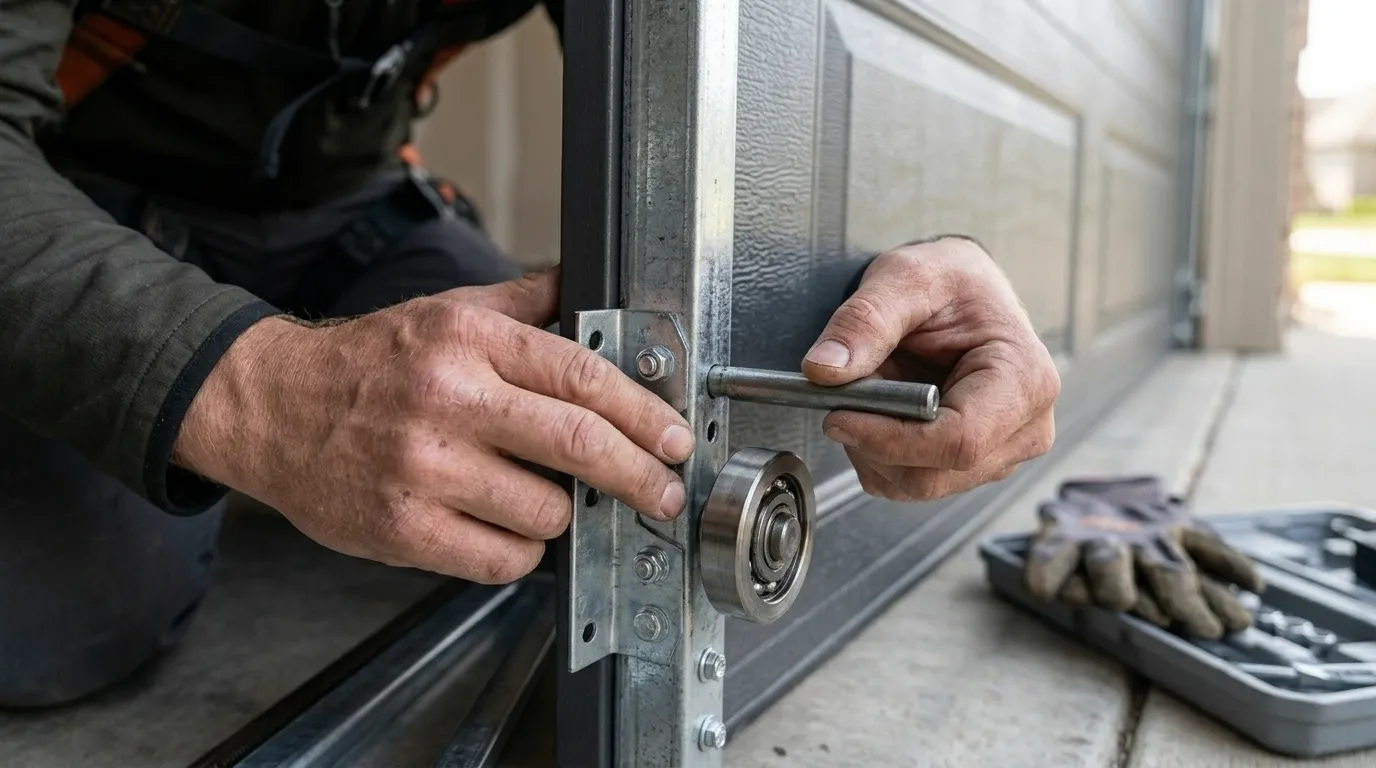
Most of the calls we get for new installs in St. Louis Park aren't emergency failures - they're owners replacing a door that's simply outlasted its hardware. A house built around 1965 has had sixty years to wear through springs, rollers, and openers multiple times over, and at some point replacing the door itself makes more sense than patching it again.
The cold-moderate climate here plays a role too. Panel doors from decades back weren't built with the insulation values that make sense for this region's temperature swing, and owners upgrading now are doing it as much for the energy difference as for looks.
Across the roughly 24,000 households in St. Louis Park, we see this pattern repeat: older opening, original door long past its hardware's working life, owner ready to upgrade rather than keep repairing. It's a different story than a newer development where the first call is often still under warranty.
Talk to a St Louis Park Technician First
Describe what the door is doing and get a straight answer on what it likely needs.
Other Garage Door Services in St Louis Park
Recent Work in St Louis Park
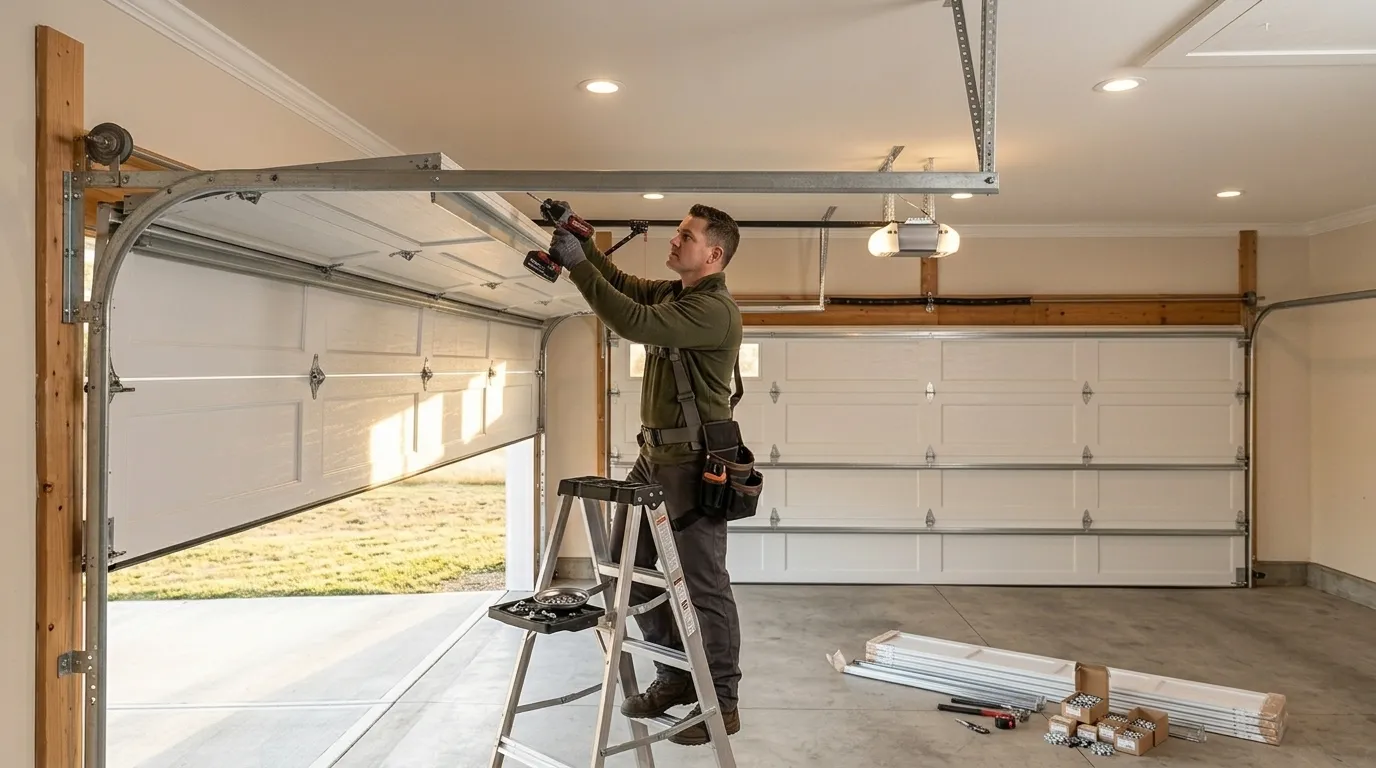
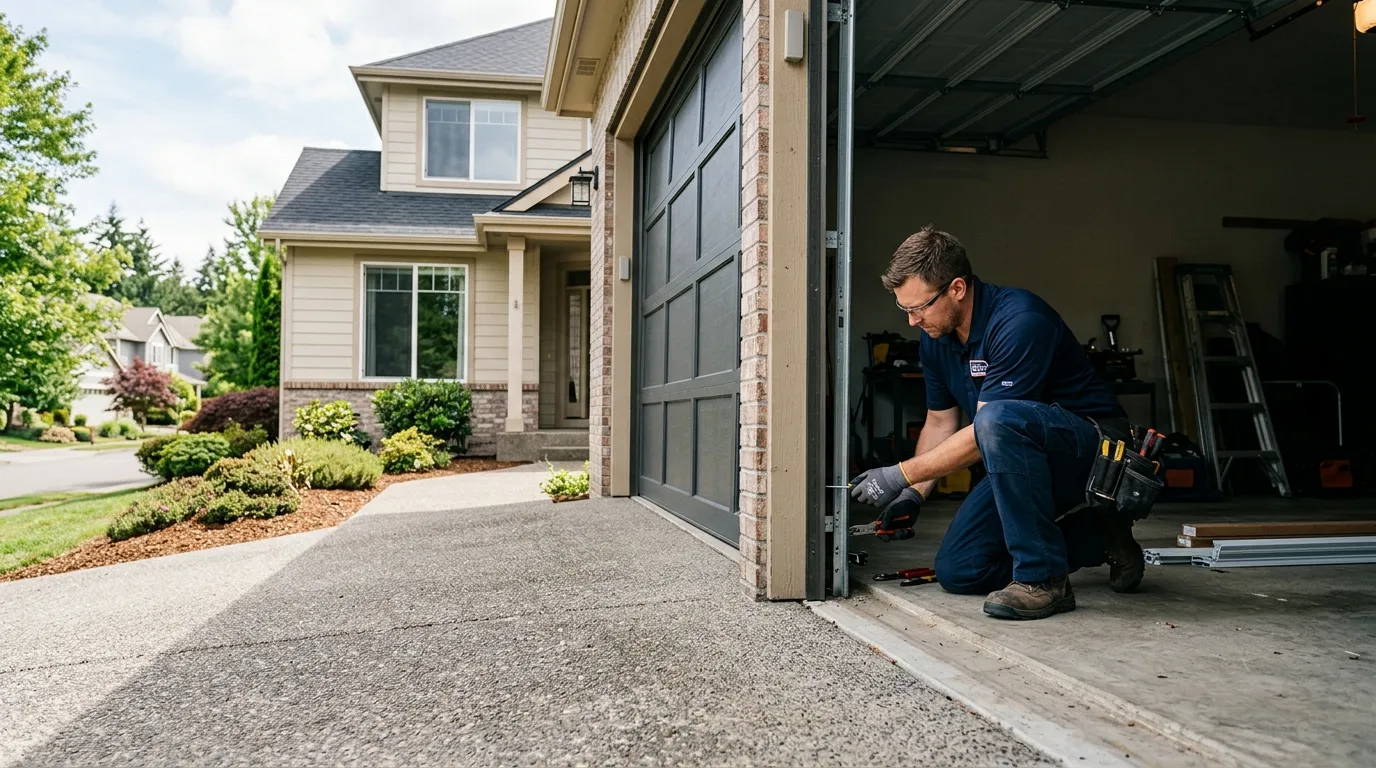
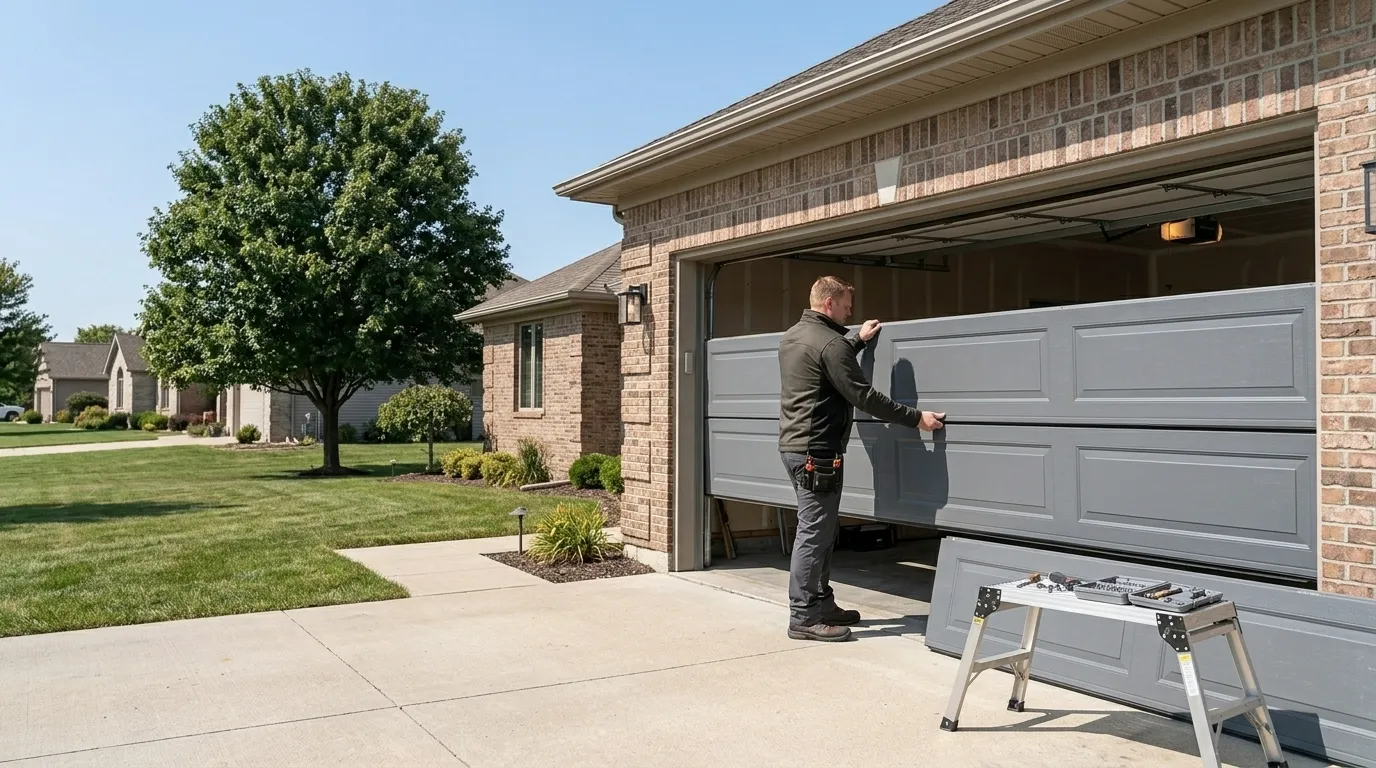
A look at jobs our crew has been on nearby.
Why St Louis Park Calls Us
Frequently Asked Questions
How far out is St. Louis Park from your shop?
About nine miles from our base in Bloomington. We travel out for installs regularly - it's a short drive, not a special trip, and we schedule the day around the job itself rather than the distance.
Will a new door fit my old 1960s opening?
Often yes, but we check first. A lot of houses from around 1965 have openings slightly narrower than what standard doors ship in today, so we verify the rough opening before ordering rather than assuming a standard size will drop right in.
Do I need an insulated door in this climate?
It's worth it for most owners here. The cold-moderate swings in this region put real stress on uninsulated panels over the years, and we see that show up as hardware wear long before the panel itself fails.
Can you give me a price over the phone?
Not an exact one - it depends on whether your opening needs framing work or just a straight swap. We'll walk the opening in person and give you a firm number before starting anything.
Need New Door Installation in St Louis Park?
Call now for straight answers on cost and timing.