
Bloomington, MN
Bloomington Garage Door Guide
What That Noise From Your Garage Door Is Telling You
Bloomington homes from the 1956-2005 building boom make specific noises as original hardware ages in cold-climate cycles. Here's what each sound means and when it's a real problem.
- Licensed & Insured
- Same-Area Service Calls
- Upfront Pricing
Where People Go Wrong
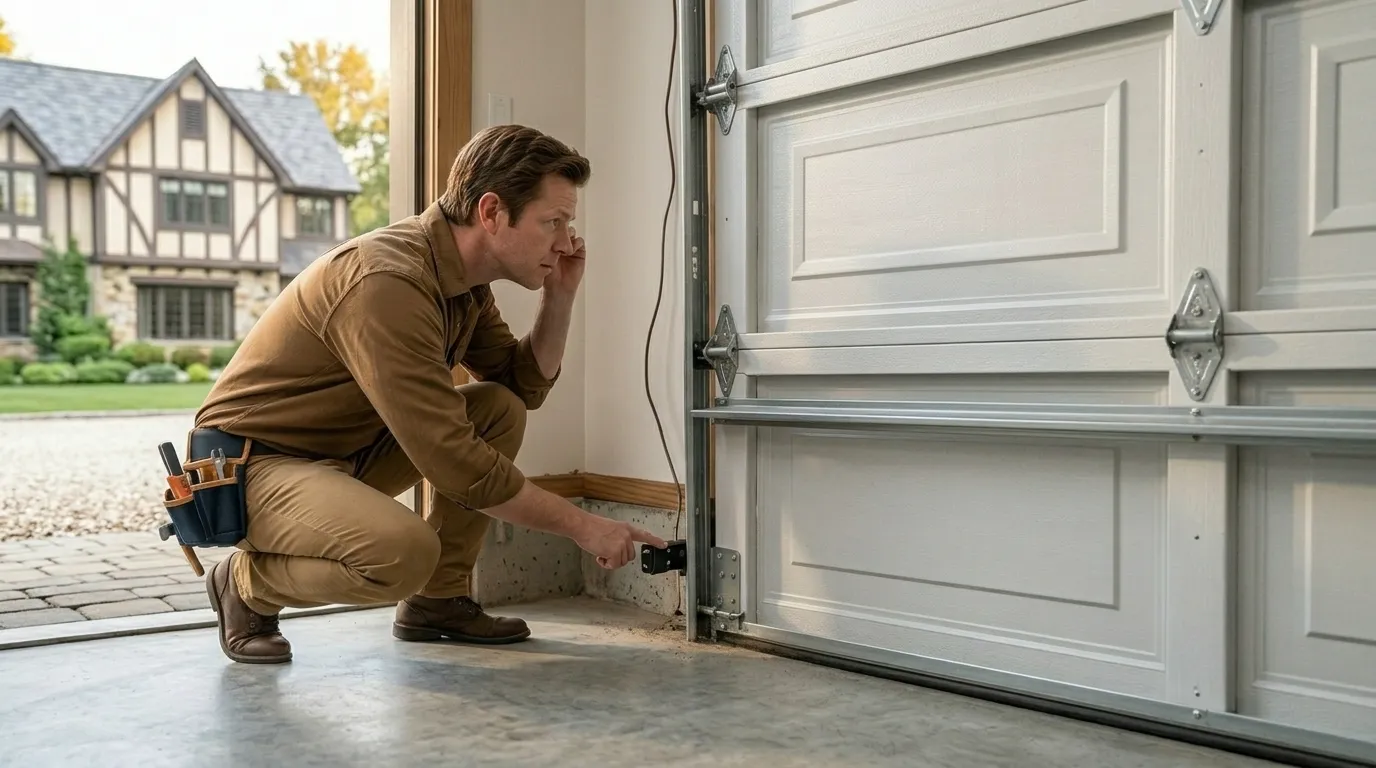
Most homeowners here treat every squeak the same way: a shot of WD-40 on whatever's closest and hope it goes quiet. That works for about a week, then the noise comes back louder. The mistake is spraying the rollers or hinges when the actual sound is coming from the torsion spring cone or a dry bearing plate - parts that don't respond to a light lubricant and need actual grease rated for cold.
Because the bulk of the housing stock across this service area went up between 1956 and 2005, with the median build year sitting at 1973, a lot of doors are still running original spring and pulley hardware that's now 50 years old. That hardware wasn't built to run quiet forever.
People also assume a noisy door means the opener is failing, when the opener motor is usually fine - it's the mechanical parts around it doing the complaining. Chasing the wrong part means you spend money and the sound doesn't change, which is the most common callback we see.
What Local Conditions Do
This area sits in a cold climate band, and that matters more for noise than most people expect. Steel contracts in the cold.
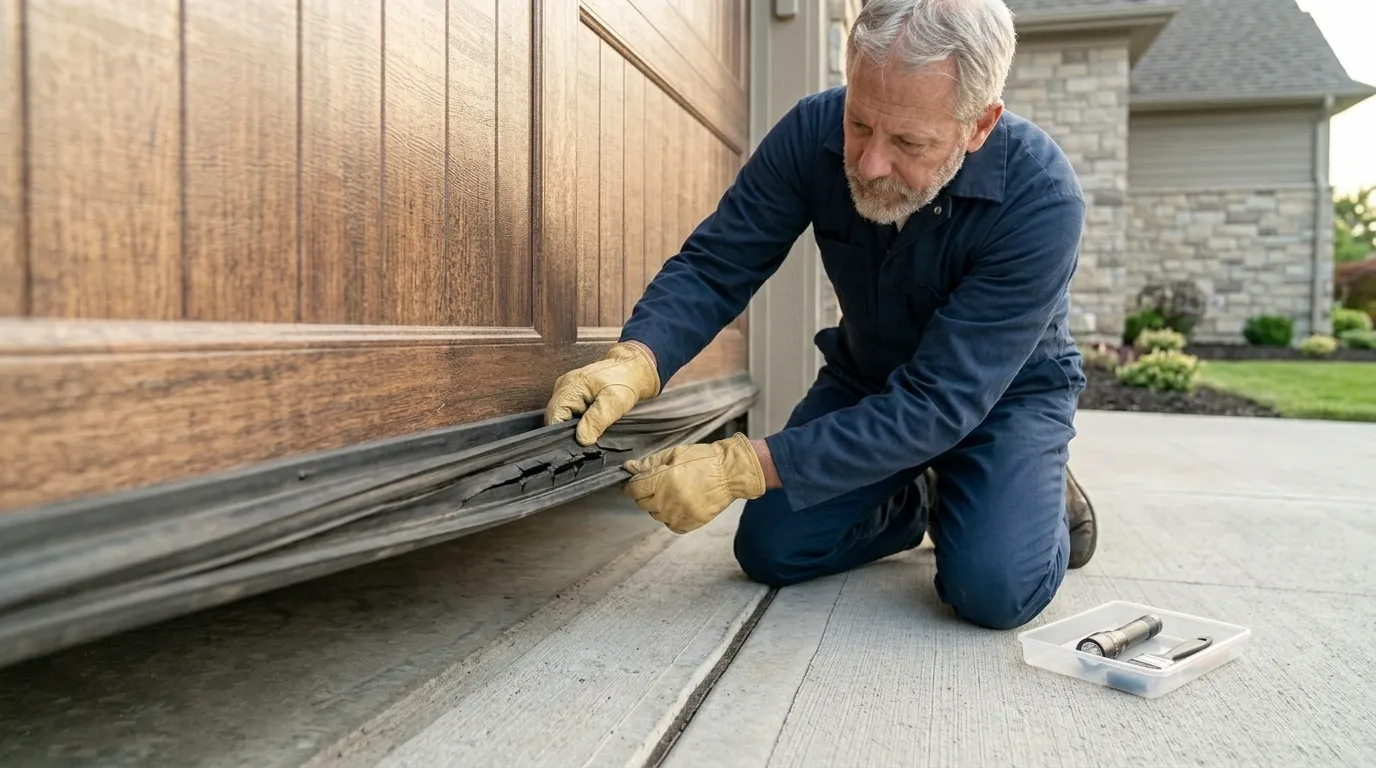
Tracks that were bolted with a hair of slack in warmer weather tighten up in January and start rattling against the rollers with every cycle. Grease that was fine in September turns thick and sluggish by December, so a door that ran quiet all fall starts groaning on the first hard freeze.
Homes on the west side, out toward West Bloomington, and homes closer to the South Loop District side of town were largely built in the same multi-decade wave, so they tend to hit these cold-weather symptoms around the same time each winter - usually the first stretch of nights that stay below freezing. It's not a coincidence when several neighbors call in the same week. The hardware is the same age, exposed to the same temperature swing, doing the same thing.
What Is Going On
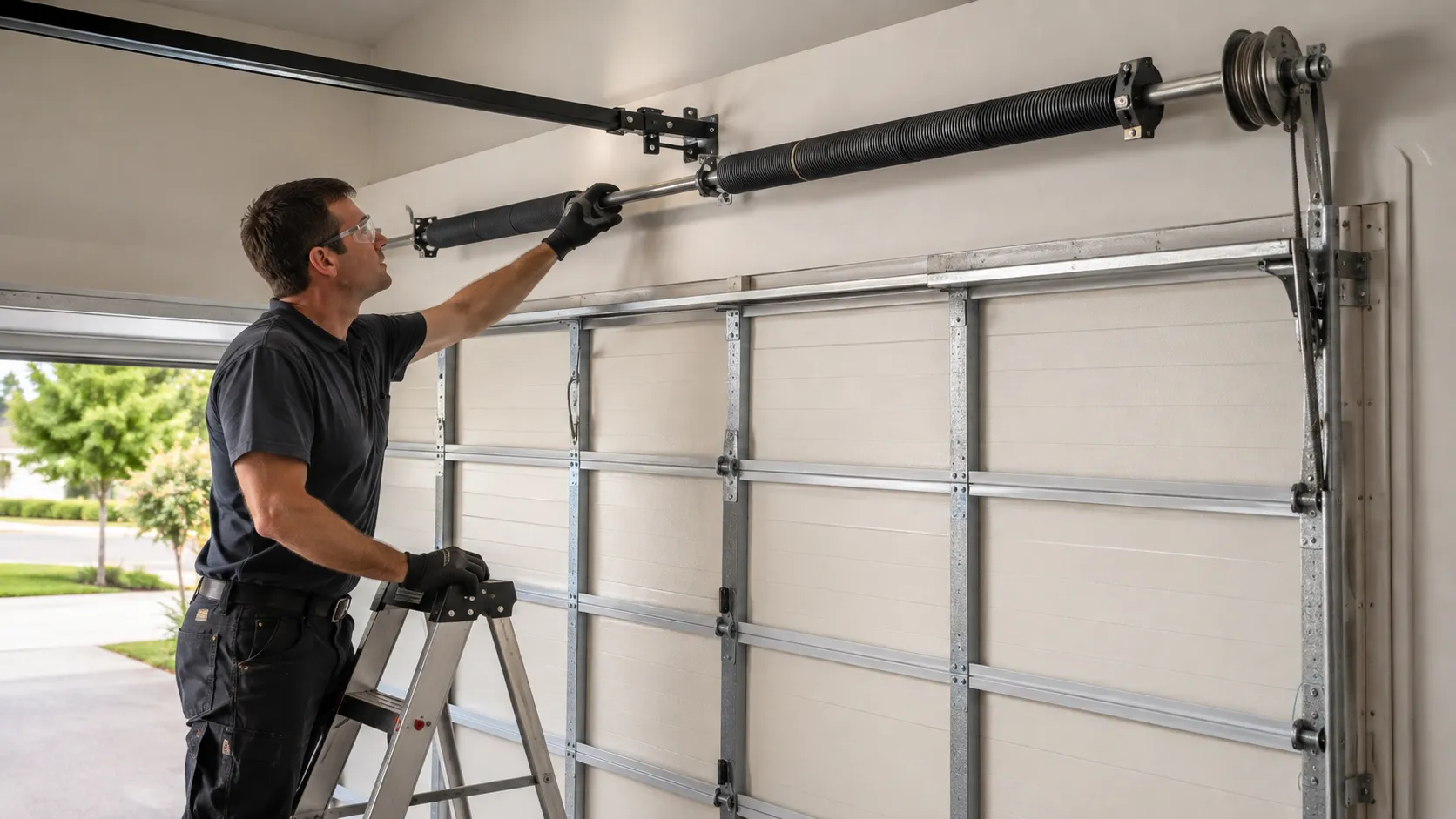
A rhythmic thump once per rotation, timed to the door's travel, is almost always a flat spot on a roller or a bent track bracket, not the spring. A sharp metallic bang, usually loud enough to hear from another room, is a torsion spring letting go - that's not a lubrication problem, that's a broken part sitting on the shaft. A steady grinding that gets worse as the door opens is often a bearing plate that's dry all the way through, which happens faster in this climate once grease stiffens up in the cold.
A high-pitched squeal on the way down but quiet on the way up usually points to one specific hinge, not the whole track system. If your door groans only on the coldest mornings and then runs fine by afternoon, that's temperature-related stiffness in older lubricant, common in homes built in the 1960s and 70s stock across this area, and it's worth addressing before it turns into a stalled opener on a night you actually need the door to work.
When to Call Someone
If the noise is a bang, stop using the door and call - a broken spring under tension is not something to keep cycling, and a door with an unbalanced spring can drop faster than the opener is built to catch. If it's a squeal or groan that's been building over weeks, that's worth a call before it becomes a bang.
We'll be honest about one limit: if your door is original to a house built in the earlier part of that 1956-2005 range, some of that hardware is old enough that parts aren't stocked anymore, and replacement ends up making more sense than a repair. We won't spend an hour chasing down obsolete rollers for a door that's due for retirement anyway. A quick call tells you which situation you're in before you spend money guessing.
How We Can Help
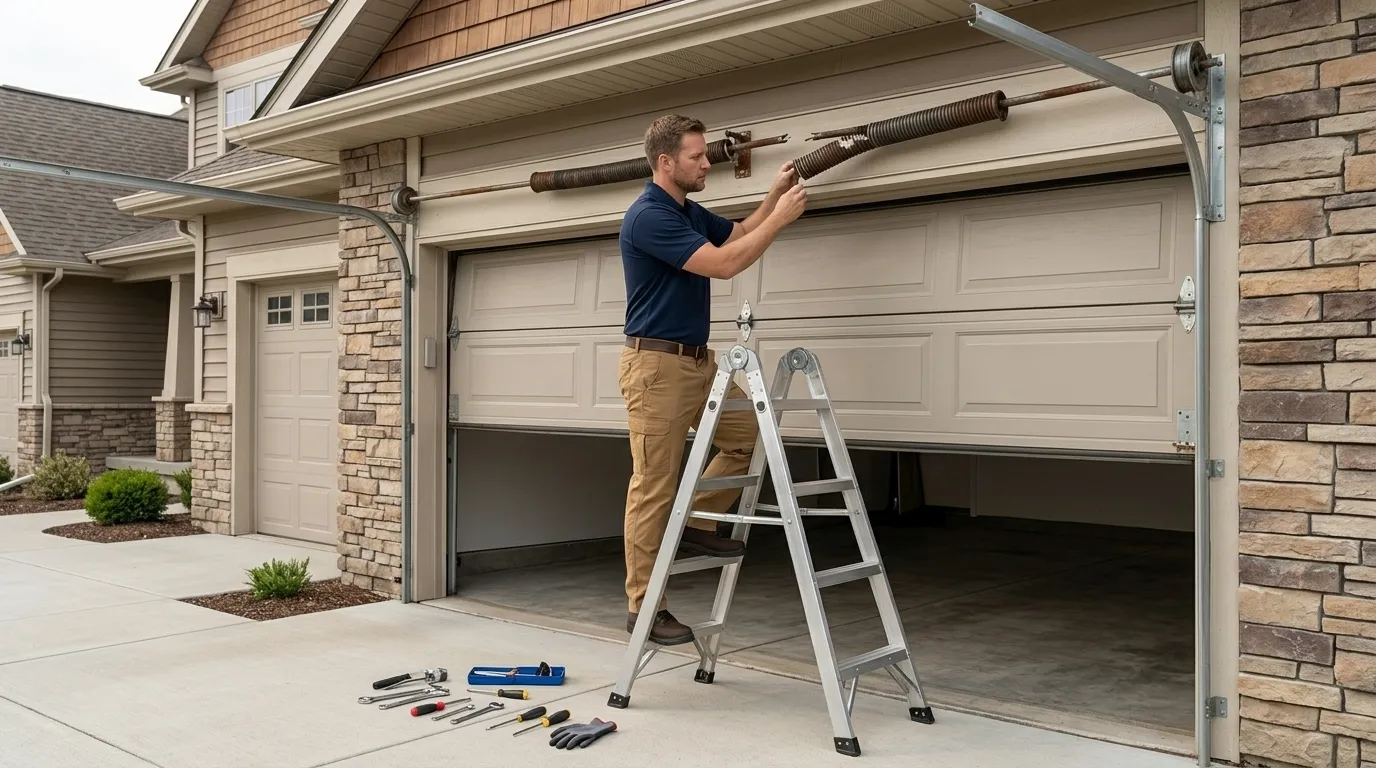
Garage Door Repair
Springs, cables, tracks, rollers, and openers fixed by a tech who explains the problem before touching anything.
Learn more →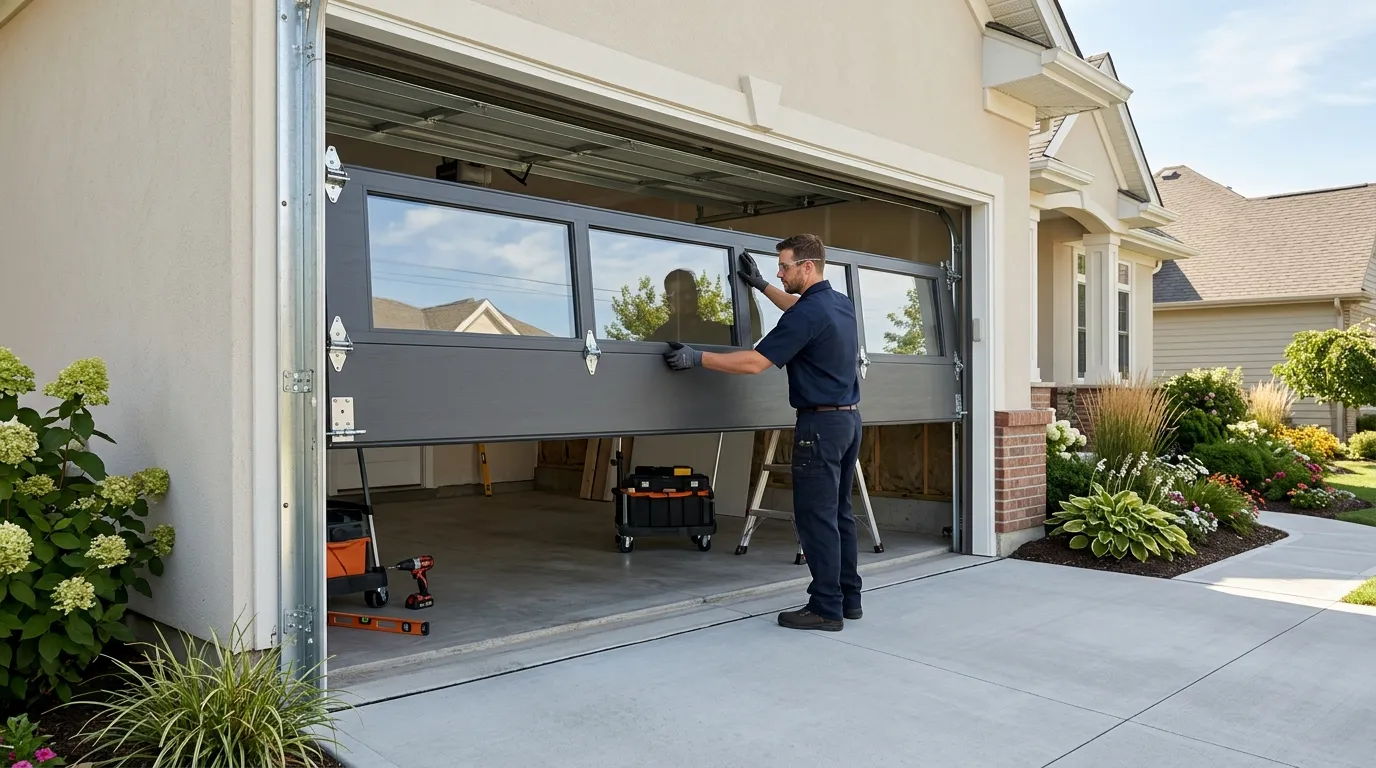
Garage Door Installation
New sectional doors sized and installed for the housing stock actually built in this area.
Learn more →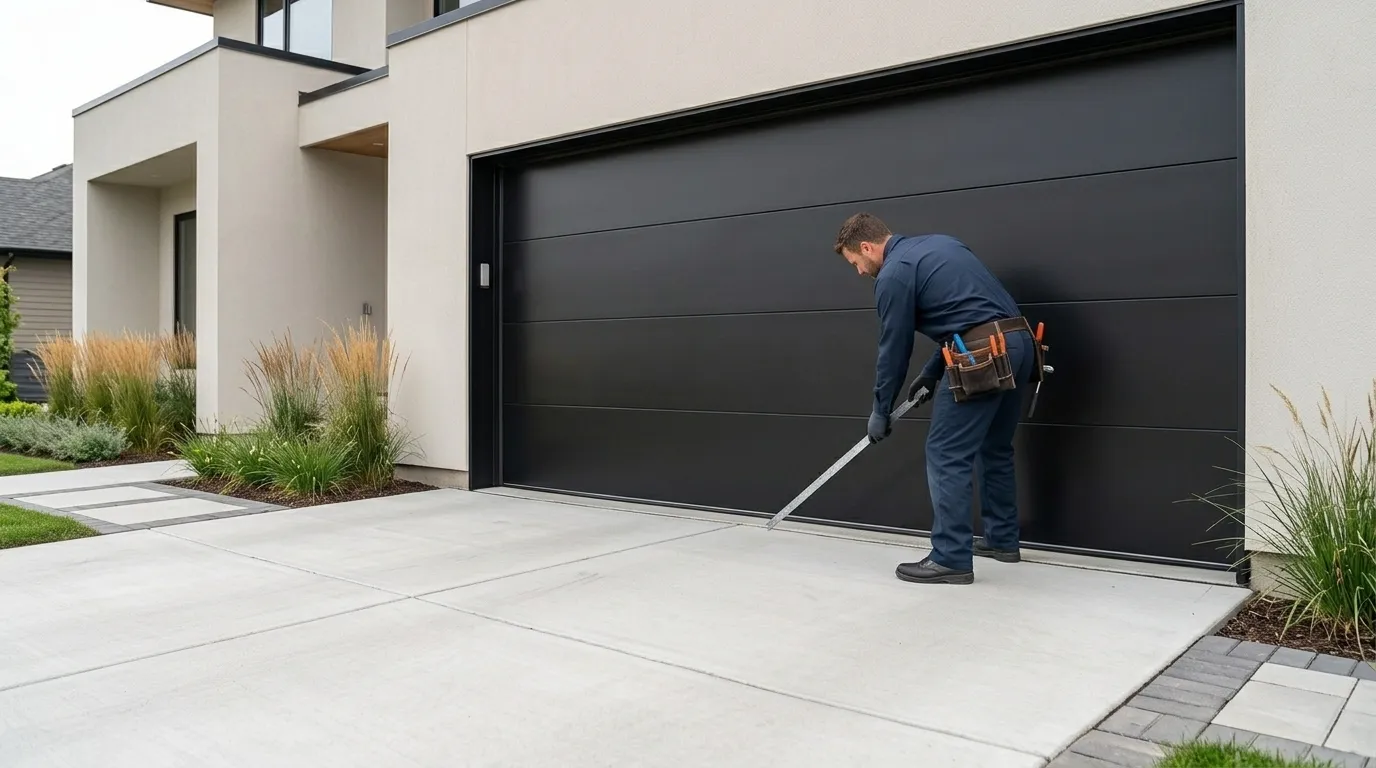
Garage Door Service
Tune-ups, lubrication, and safety checks that catch a small problem before it becomes a service call.
Learn more →Frequently Asked Questions
Why does my garage door only make noise in the winter?
Cold makes steel tracks contract and old grease stiffen, so hardware that ran quiet in warmer months starts rattling or groaning once nights drop below freezing. This shows up across the area's older housing stock because most of it dates to the same multi-decade building period and is running similar original hardware.
Is a loud bang from my garage door dangerous?
Yes. A sudden bang is almost always a torsion spring breaking, and a door with a broken spring can fall much faster than the opener is designed to control. Stop using the door and don't try to force it open or closed until someone looks at the spring.
My door squeals only when closing. What does that mean?
That's usually one specific hinge or roller, not a system-wide problem. Since it only happens in one direction, the fix is often localized rather than a full hardware replacement, though it's worth checking the whole track while the door's already apart.
Have a Door That Needs a Second Opinion?
Call and describe what it is doing - we will tell you what it likely is.