
Bloomington, MN
Bloomington Garage Door Guide
What a Service Call Actually Covers in Bloomington
A look at what a real service call checks on Bloomington homes built between 1956 and 2005, and why cold-climate wear shows up the way it does here.
- Licensed & Insured
- Same-Area Service Calls
- Upfront Pricing
Where People Go Wrong
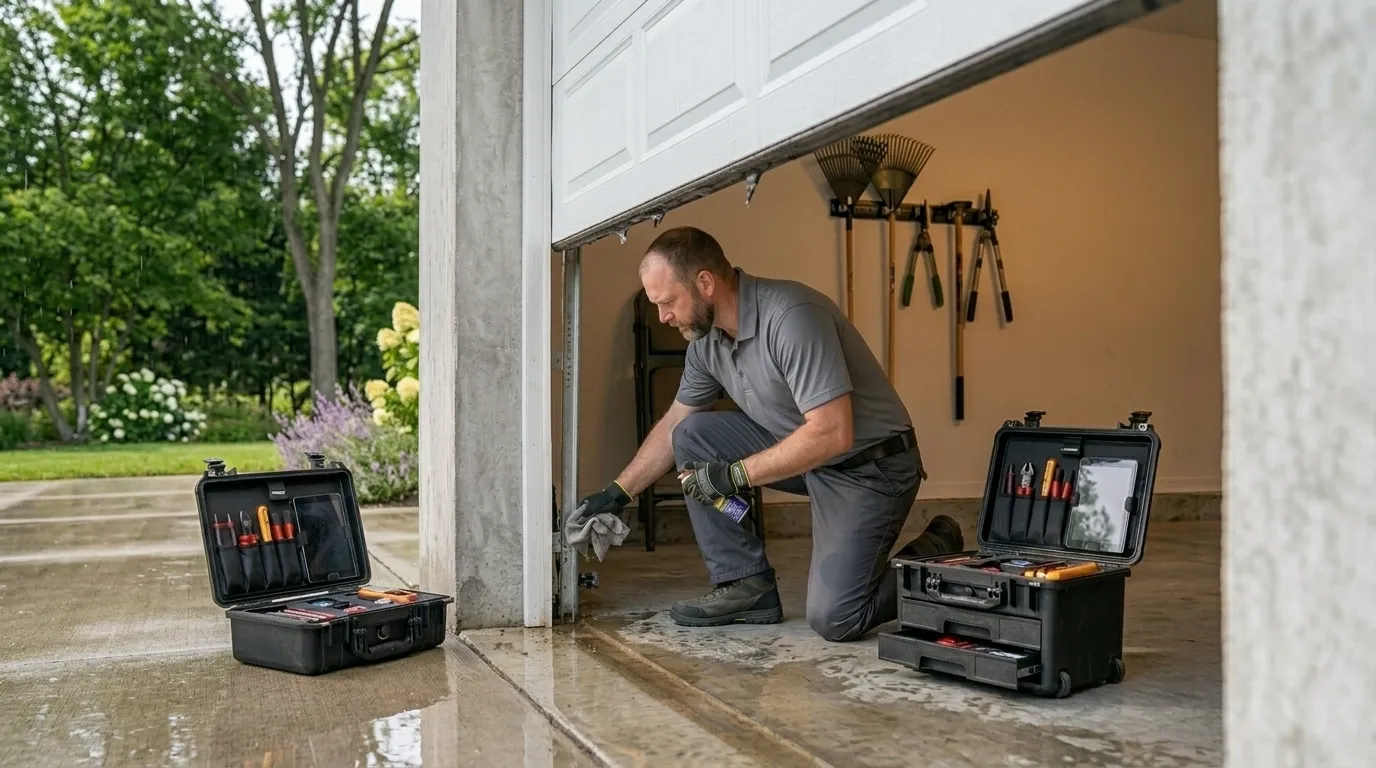
Most calls we get start with someone who's already tried WD-40 on a noisy roller and figures that's the fix. It isn't, and here's why that matters more in this city than it might elsewhere: Bloomington's housing stock runs mostly 1956 to 2005, with a median build year around 1973, and across the 43 named areas that make up this side of the metro, the bulk of that stock is 1960s-70s construction. That means original hardware is often still in the opening, or it's been replaced once with parts sized for a door that's now 50-plus years old.
Spraying lubricant on a spring or cable doesn't address wear on a torsion system that's been cycling through Minnesota winters for five decades. A service call isn't a lube job. It's someone pulling the door panel by panel, checking spring wind and cable fray, inspecting the track for the kind of bend that cold-weather contraction causes, and testing the opener's force settings against a door that's heavier or lighter than it was new.
Skipping that inspection and just replacing whatever squeaks is how people end up calling twice in one winter instead of once.
What Local Conditions Do
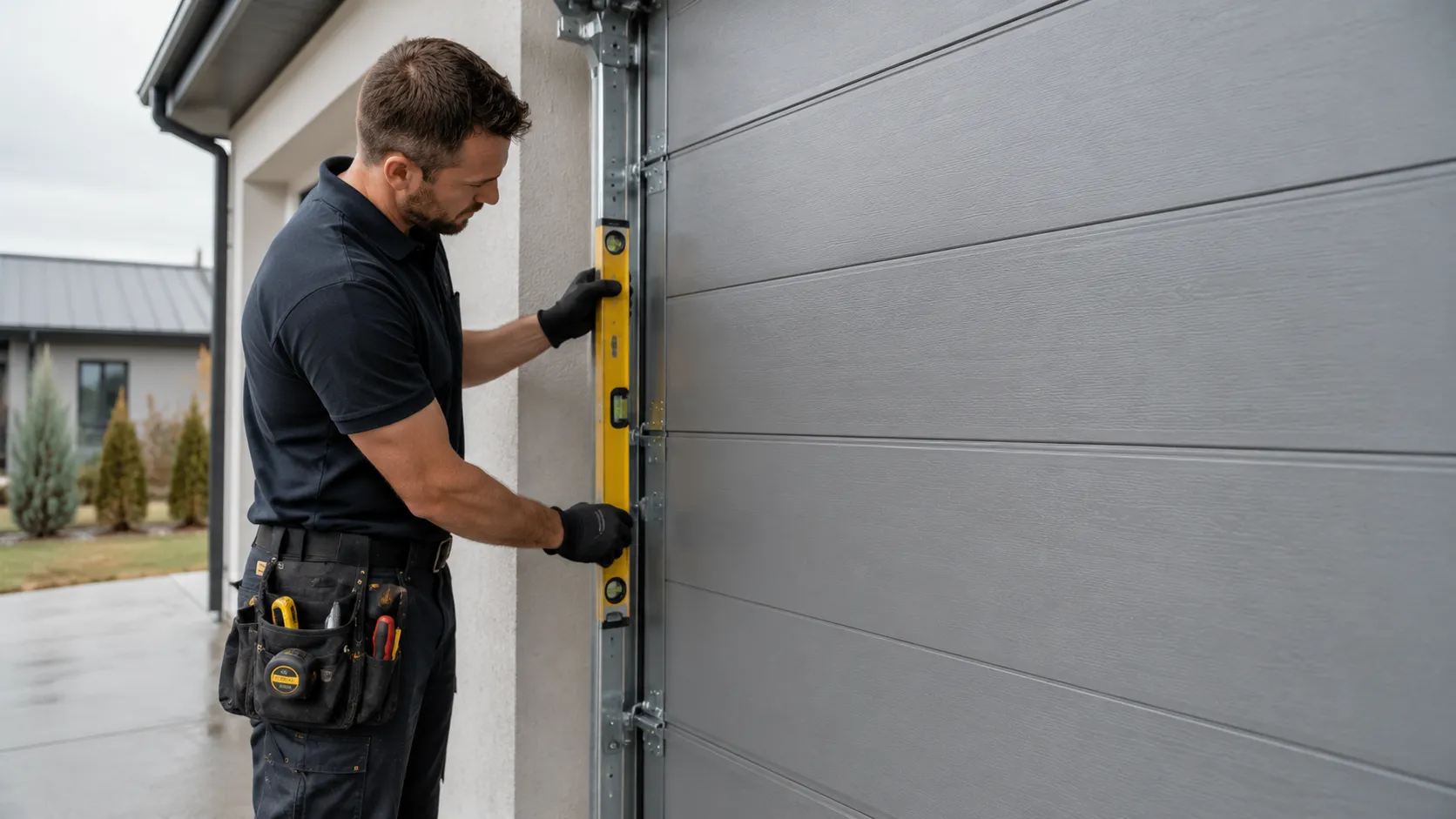
This area sits in a cold, moderate climate band, and that's not a footnote - it's the reason a lot of the calls we run even exist. Steel contracts in the cold. On a door installed in the 1960s or 70s, that means the track alignment that was fine in July can bind by January, especially on the older narrow-gauge track that came standard on homes from that build era.
Torsion springs lose a small amount of tension with every freeze-thaw cycle, and on a door that's already 40-50 years old, that tension loss compounds fast. Nylon rollers get brittle and crack. Weatherstripping on original doors hardens and stops sealing, which lets in enough cold air to make the opener work harder just to overcome stiff hardware.
None of this is dramatic - it's slow, and it's why a door that worked fine last spring can start dragging or reversing partway through a Minnesota winter. A service call in this climate has to check for cold-weather symptoms specifically: track gap, spring tension against a cold baseline, and roller condition, not just whether the door goes up and down in a warm garage.
What Is Going On
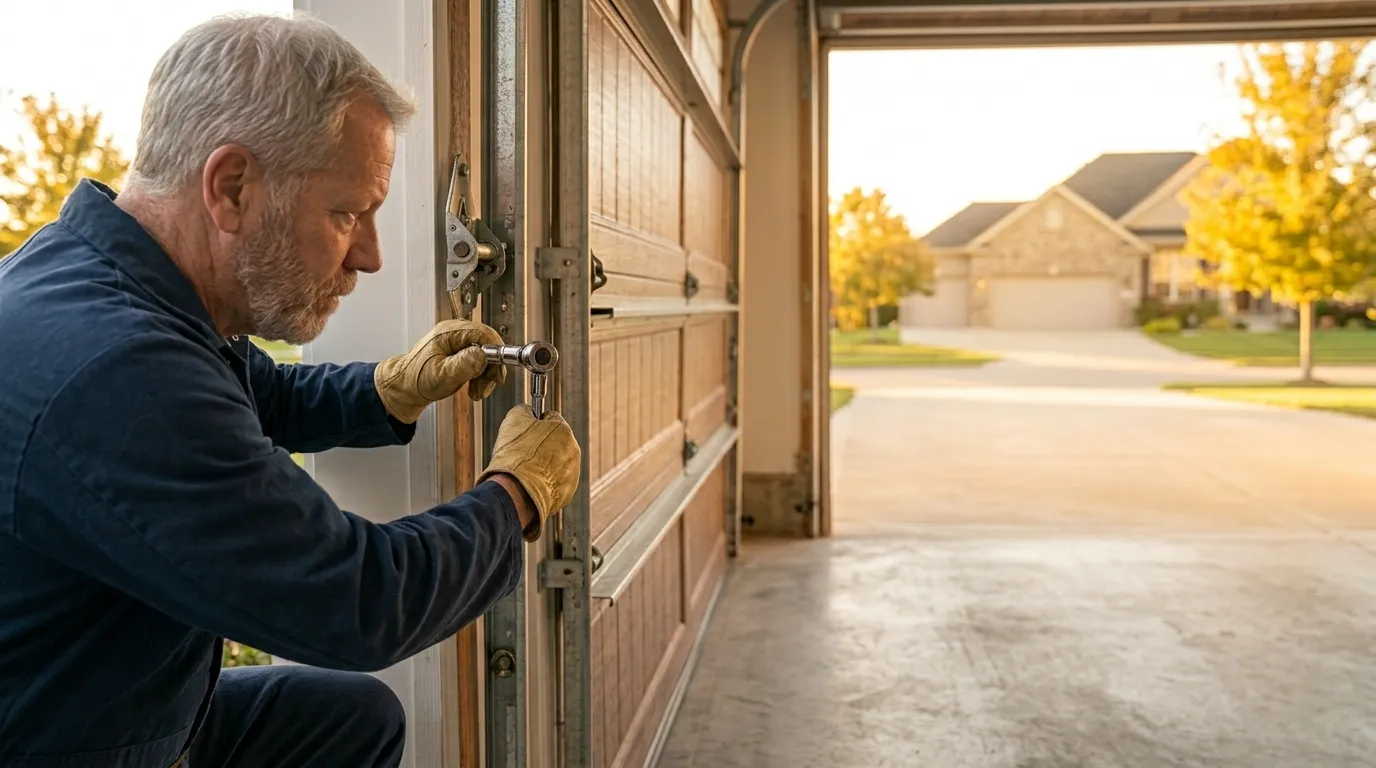
On a house built in the 1973 range, which is close to the median here, the garage door has usually been through at least one full opener replacement and maybe one spring replacement, but the track and hinges are often original. That's the pattern we see most across the older pockets of this service area. What that means for a service call: we're not just testing today's symptom, we're checking whether the rest of the system was built to handle a modern opener's force and speed.
A door with 1970s track hardware paired with a newer opener is a common mismatch - the opener is stronger than the track was designed for, which shows up as popped rollers or a track that walks out of alignment over a few years. If your house falls into that 1956-2005 build range, which covers most of this area, that mismatch is worth checking even if the door seems to work fine day to day. It's not something you can see from inside the garage without pulling the door through a full cycle and watching the track under load.
When to Call Someone
Call before the door fails completely, not after. A spring that's losing tension will usually give you warning - the door feels heavier, the opener strains, or it stalls partway. Waiting until the spring snaps means a cable can jump the drum and take the panel with it, which is a bigger job than a scheduled spring swap.
That said, we won't tell you every noise needs a truck. A door that's just noisy but tracks straight, closes flush, and reverses correctly on obstruction is often fine with basic upkeep - we won't sell you a service call you don't need. Where it's worth having someone look: doors original to a 1960s or 70s build that have never had the track re-set, openers installed without checking the door's spring tension first, or any door that's started hesitating in cold weather specifically.
Given the age of a lot of the stock in this part of the metro, an inspection now costs less than an emergency call after a cable lets go.
How We Can Help
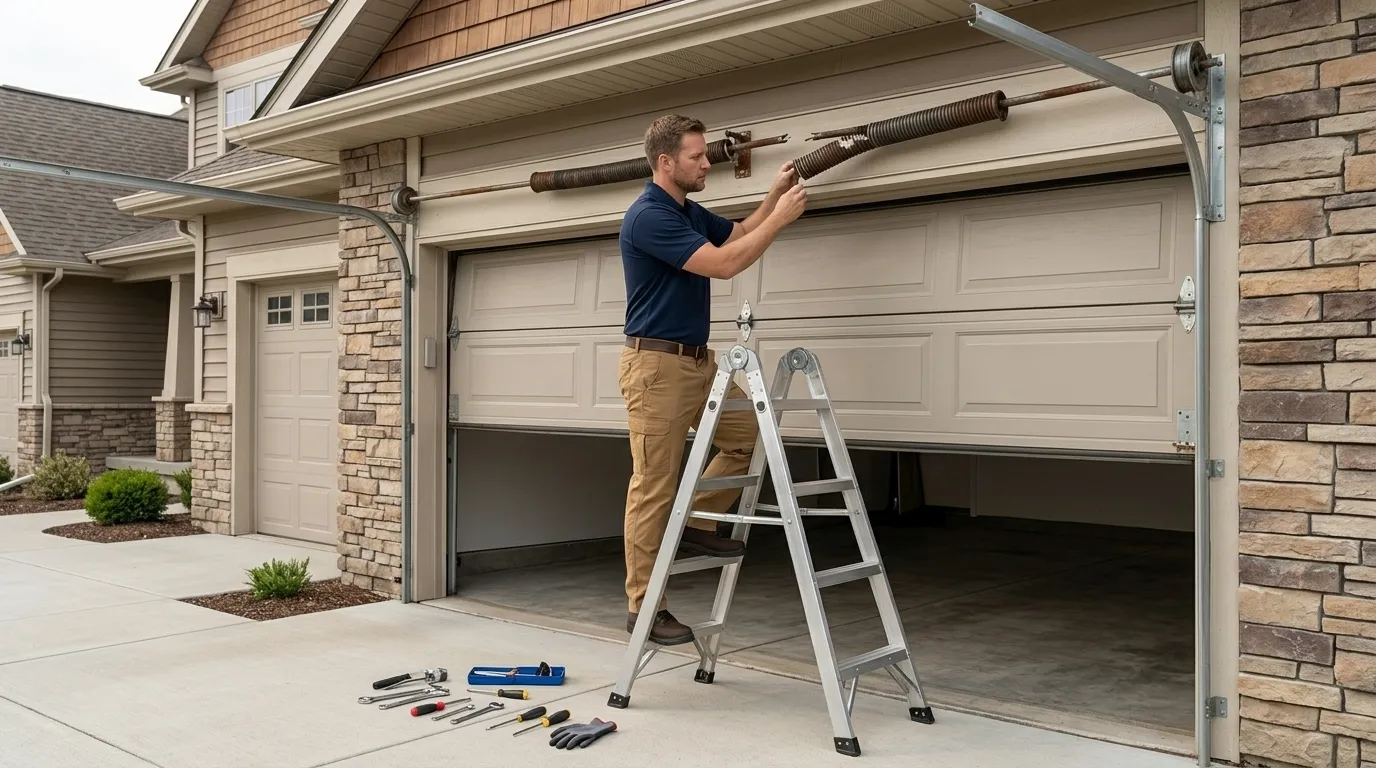
Garage Door Repair
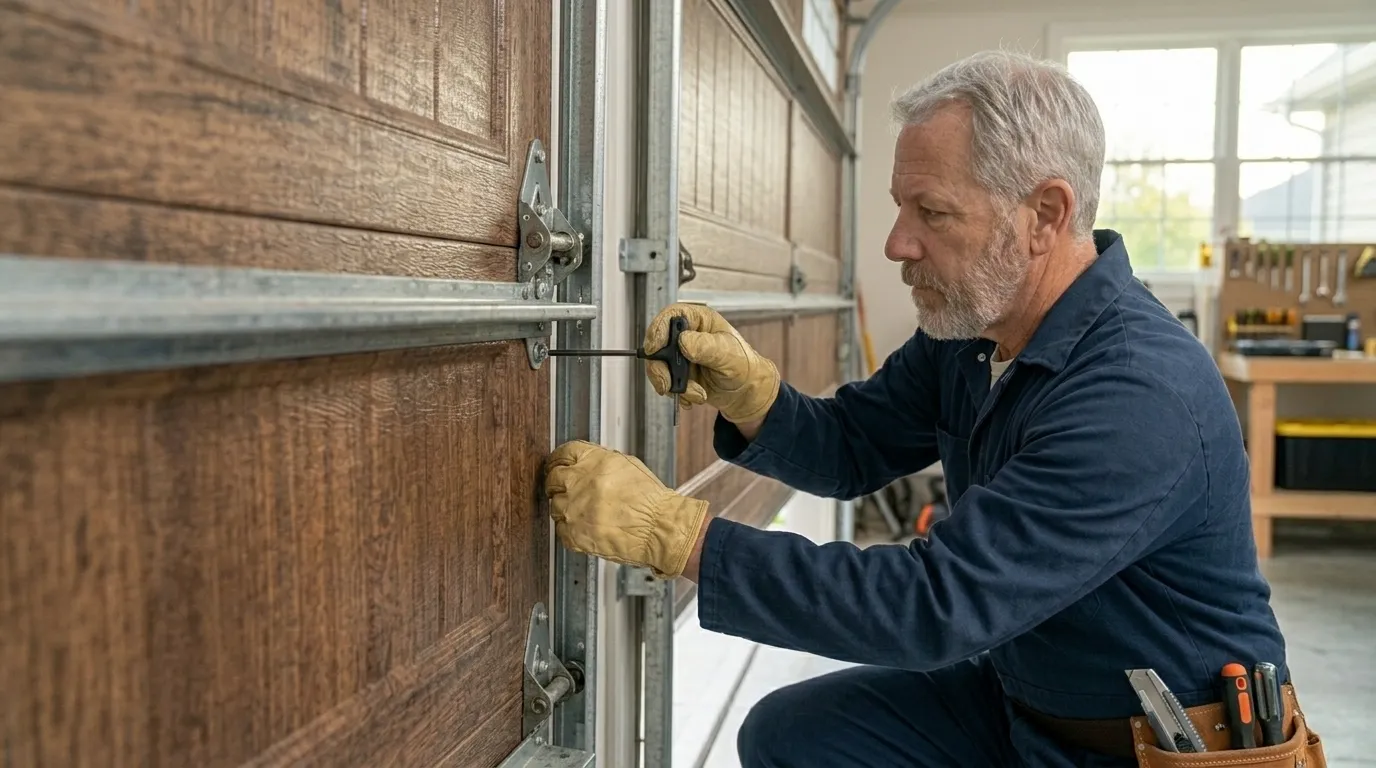
Springs, cables, tracks, rollers, and openers fixed by a tech who explains the problem before touching anything.
Learn more →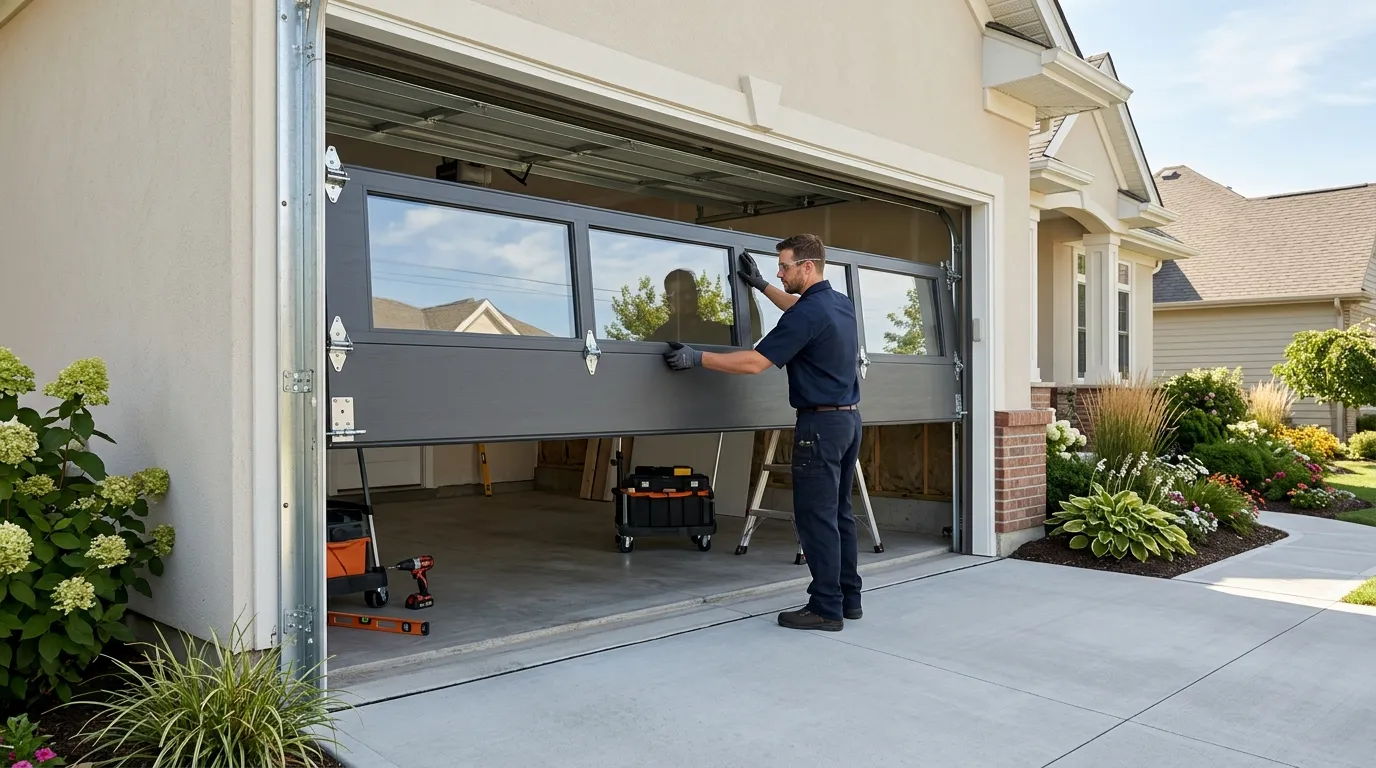
Garage Door Installation
New sectional doors sized and installed for the housing stock actually built in this area.
Learn more →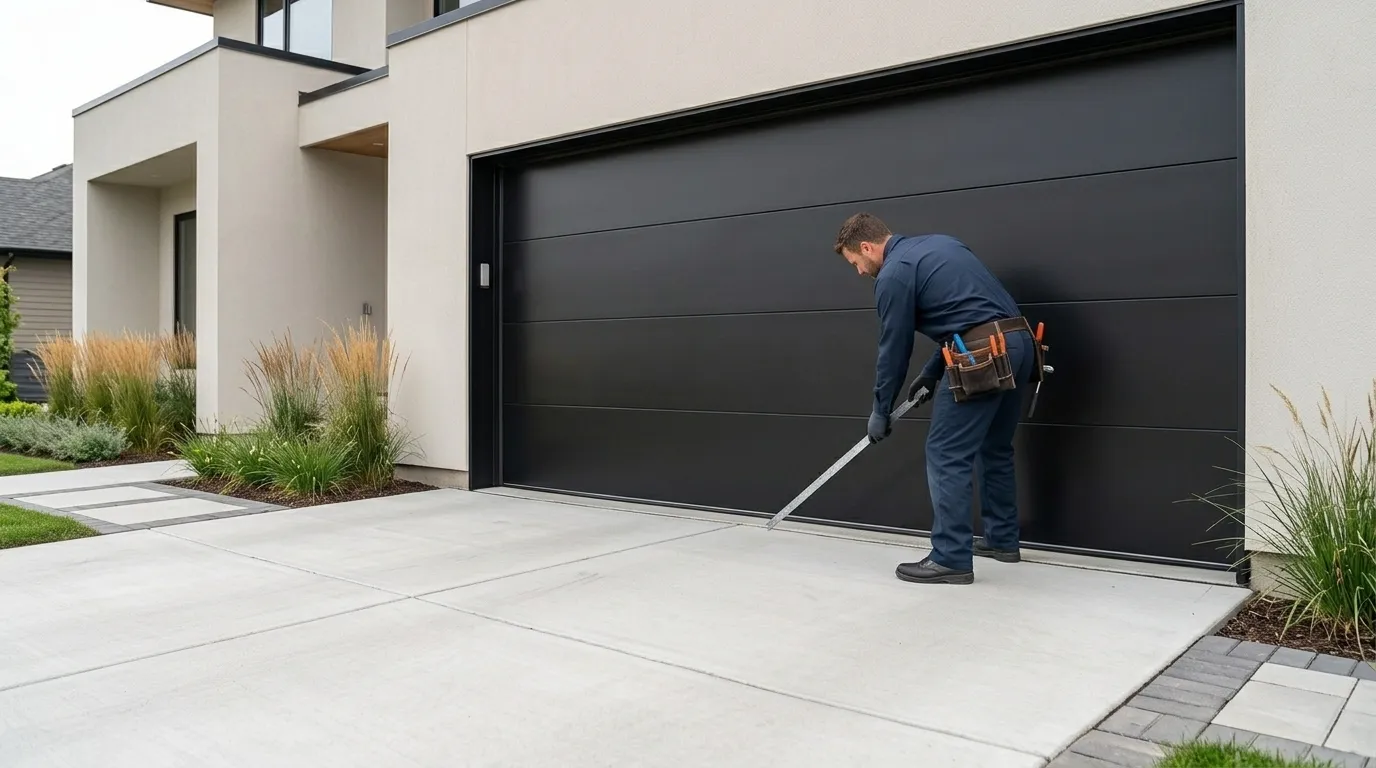
Garage Door Service
Tune-ups, lubrication, and safety checks that catch a small problem before it becomes a service call.
Learn more →Frequently Asked Questions
Is a service call just a tune-up, or does it include repairs?
A service call is the inspection - checking springs, cables, track, rollers, and opener settings. If something needs replacing, like a worn torsion spring or a cracked roller, that's quoted separately once we've seen the actual condition of the door, not guessed at over the phone.
My door is original to the house - does that matter?
Yes. A lot of homes in this area date to the 1960s and 70s, and original hardware from that era often uses narrower track and lighter-duty springs than what's standard today. A service call on an original door checks whether it's still matched to whatever opener has been added since.
Why does my door act up more in winter?
Cold contracts steel and stiffens hardware. In this climate band, track alignment and spring tension both shift slightly with temperature, which is why a door that's fine in summer can start dragging or reversing once it's consistently below freezing.
Do you inspect doors that seem to be working fine?
We can, though if a door tracks straight, closes flush, and reverses properly on contact, it may not need a call yet. We'd rather tell you it's fine than run up a bill on a door that isn't showing real wear.
Have a Door That Needs a Second Opinion?
Call and describe what it is doing - we will tell you what it likely is.