
Bloomington, MN
Bloomington Garage Door Guide
Openers and Power Cuts in Bloomington Homes
Bloomington houses built between 1956 and 2005 pair aging openers with cold-climate power blips. Here's what actually goes wrong and when a call is worth it.
- Licensed & Insured
- Same-Area Service Calls
- Upfront Pricing
Where People Go Wrong
Most of the trouble we see starts with the assumption that an opener failure means a dead opener. In a city where the housing stock runs 1956 to 2005 with a median build year around 1973, a lot of these units have been swapped once already, sometimes by a previous owner, sometimes by whoever was cheapest at the time. The mismatch shows up when the power blinks: an owner resets the opener, it seems to relearn, and three days later it's dead again because the real fault was never the opener at all - it was a limit switch or a worn drive gear that a reset happened to mask for a bit.
The other mistake is treating the manual release cord like an emergency-only feature nobody needs to understand until the day the power's out and the car is trapped inside. If you've never pulled it, don't wait for a cut to find out how.
Homes in the West Bloomington area and around the South Loop District, both inside our service radius, have the same range of opener ages as the rest of the city, so this isn't a west-side or east-side problem. It's an age-of-the-unit problem, and the age tracks the housing.
What Local Conditions Do
We're in a cold-moderate climate band here, which means the opener's circuit board and the garage itself go through real seasonal swings - not the deep-freeze extremes of the northern plains, but enough cold to matter. Cold makes grease in the drive assembly stiffen, which draws more current at startup. If a house is on the older end of that 1956-2005 range, the wiring feeding the opener outlet is often original or close to it, and a stiff motor drawing extra amps on a cold morning is exactly the kind of load that trips a breaker or blows a cheap surge strip.
Power cuts compound this. When power drops mid-cycle in cold weather, the opener's logic board sometimes loses its position memory, and the unit comes back thinking the door is somewhere it isn't.
That's not a defect - it's what happens when a mechanical system built decades ago meets a modern control board bolted onto it later. Across the 43 named areas that make up this kind of housing pattern locally, this shows up the same way: fine in summer, glitchy the first cold snap.
What Is Going On
When an opener acts up right after a power cut, three things are usually in play, and they're not equally likely depending on the house's age. In homes from the earlier end of the 1956-2005 range, the culprit is often a worn capacitor or a relay that's been running marginal for years and finally gives out under the extra draw of a cold restart. In newer builds within that range, closer to 2000-2005, it's more often a circuit board that lost its stored travel limits and needs to be reprogrammed rather than replaced.
A third pattern, common regardless of build year: the backup battery, if the opener even has one, has quietly died and nobody noticed until the grid hiccuped. Battery backup units weren't standard equipment on openers installed anywhere near that 1973 median build year, so a lot of these houses are running openers with no fallback at all - the door simply stops wherever it was when the power dropped.
We'll be straight about one limit here: we don't stock every discontinued board model for openers from the early part of that range, and on some of the oldest units, sourcing the exact replacement part can take longer than either of us wants. Sometimes a full opener swap ends up faster and cheaper than chasing a part for a 1970s-era unit.
When to Call Someone
Call if the opener runs but the door doesn't move - that's almost never a wiring problem you can fix with a reset, and forcing it risks the drive gear. Call if the manual release cord is stiff, frayed, or you're not sure it still disengages the carriage; you want to know that before a cold-weather power cut forces the question. Call if a breaker trips specifically when the opener starts up on a cold morning, since that pattern points to a motor drawing more current than the circuit was built for, and repeated trips wear the motor faster.
You don't need to call over a single power blip that the opener shrugs off after one reset. That's normal for houses with older control boards, and it's not worth a service trip. Save the call for repeat failures, grinding on manual release, or a door that won't respond to either the wall button or the remote after power's restored - those point to something that won't fix itself.
How We Can Help
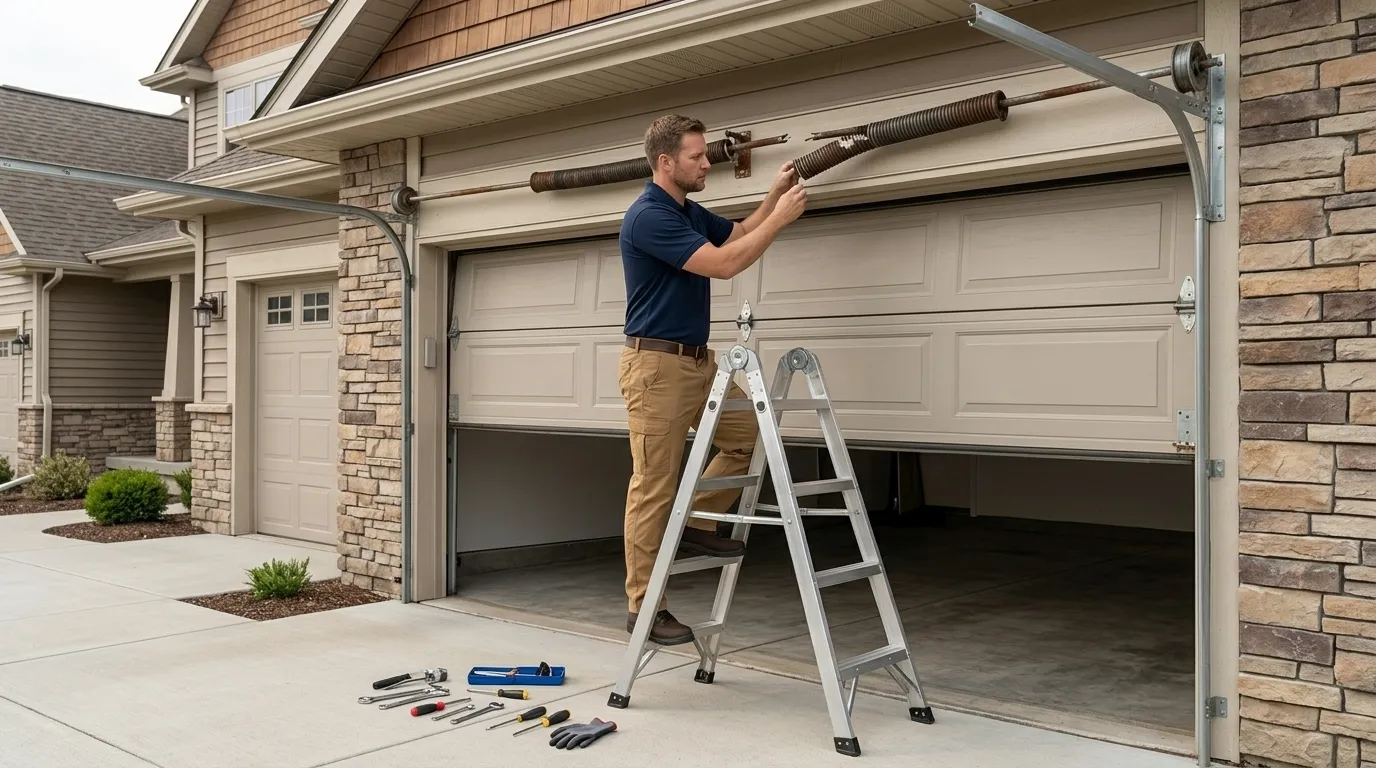
Garage Door Repair
Springs, cables, tracks, rollers, and openers fixed by a tech who explains the problem before touching anything.
Learn more →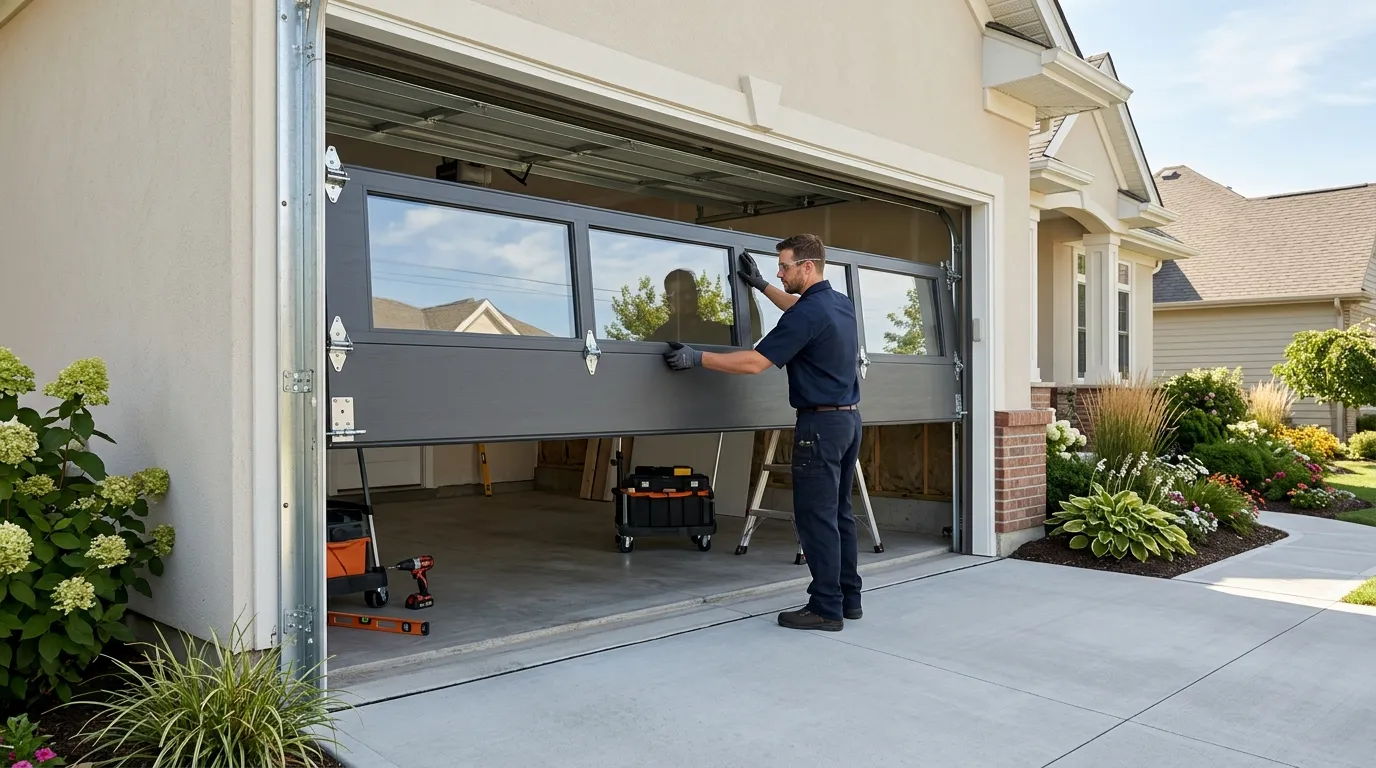
Garage Door Installation
New sectional doors sized and installed for the housing stock actually built in this area.
Learn more →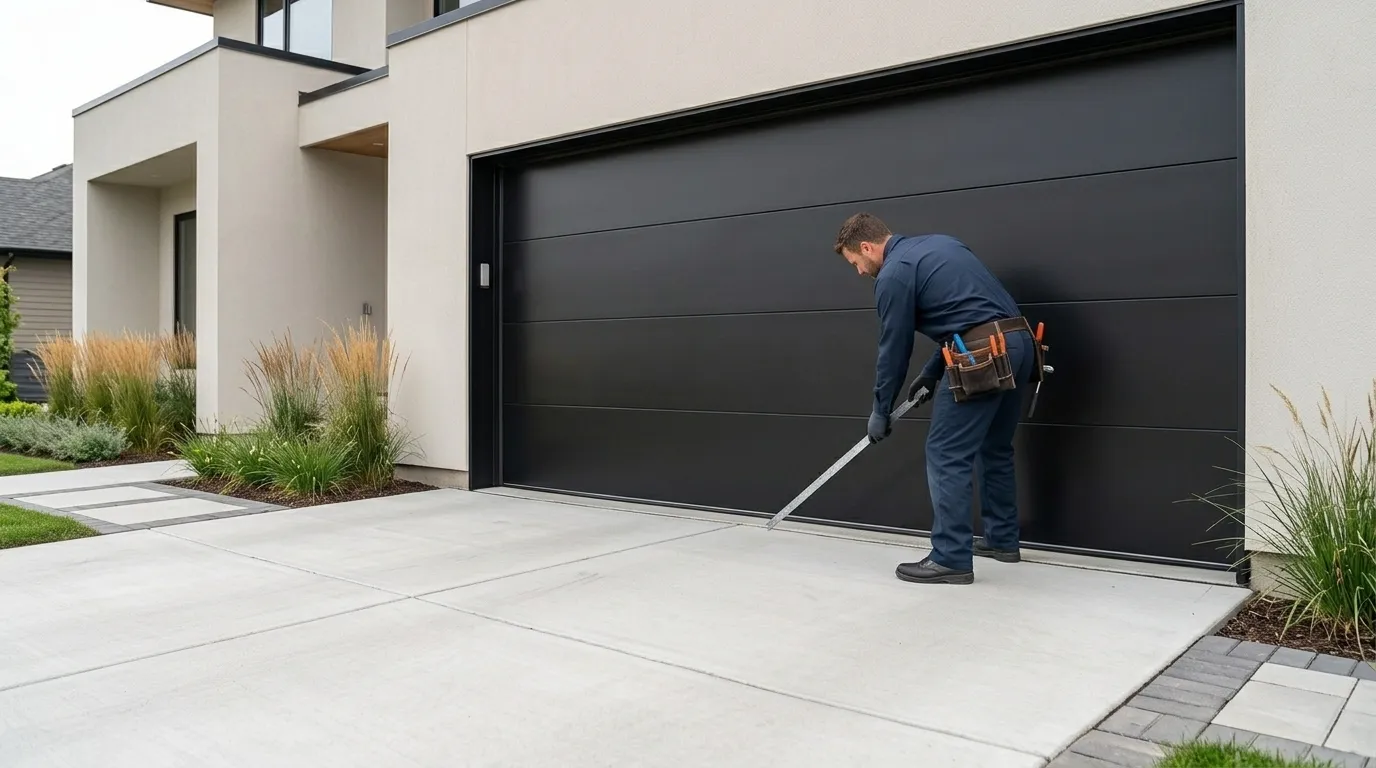
Garage Door Service
Tune-ups, lubrication, and safety checks that catch a small problem before it becomes a service call.
Learn more →Frequently Asked Questions
Why does my opener act up after the power comes back on?
On older units, common in houses built well before 2000, the control board can lose its stored door-position data during a cut. It comes back not knowing where the door actually is. A manual reprogram usually fixes it, but if it keeps happening, the board itself may be failing.
Does cold weather really affect the opener, not just the springs?
Yes. In our cold-moderate climate, grease in the drive assembly stiffens overnight, which makes the motor pull more current on startup. On a house with older wiring, that extra draw is what trips a breaker or overloads a marginal capacitor.
Should I add a battery backup to an older opener?
If your opener predates battery backup as standard equipment, which covers a lot of homes near the 1973 median build year here, adding a backup unit can matter more than it would in a newer build with better circuit tolerance. It's worth asking about compatibility before assuming yours can take one.
How do I use the manual release if the power is out?
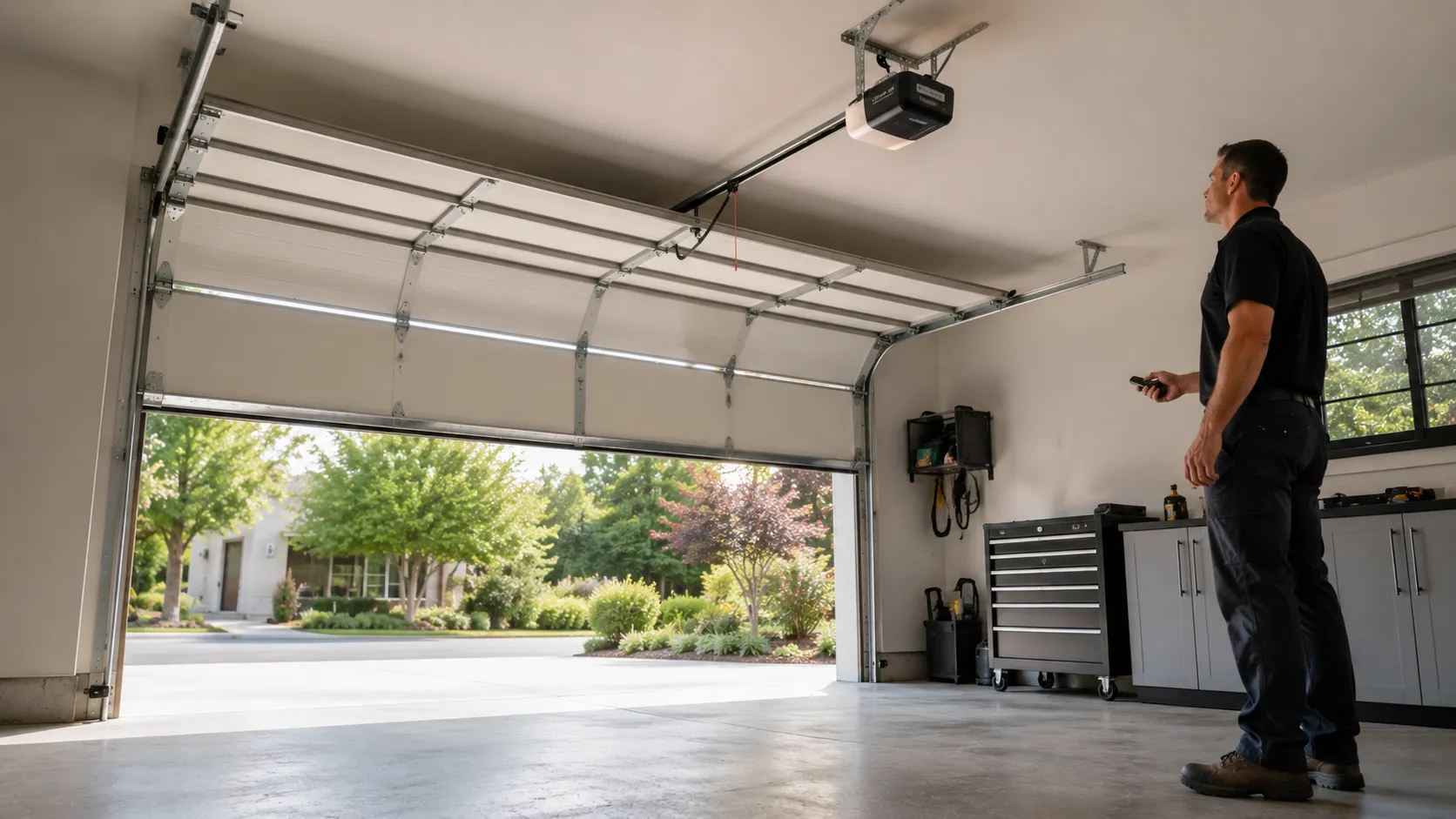
Pull the red cord hanging from the trolley to disconnect the door from the opener carriage, then lift the door by hand. Test this once when the power is on and working, not for the first time during an actual outage, so you know the cord isn't seized.
Have a Door That Needs a Second Opinion?
Call and describe what it is doing - we will tell you what it likely is.