
Bloomington, MN
Bloomington Garage Door Guide
Why Your Safety Sensors Keep Drifting Out of Alignment
Bloomington houses from the 1960s-70s boom shift with the cold. See why safety sensor alignment drifts here and what actually fixes it, from Bloomington Garage Door Pros.
- Licensed & Insured
- Same-Area Service Calls
- Upfront Pricing
Where People Go Wrong
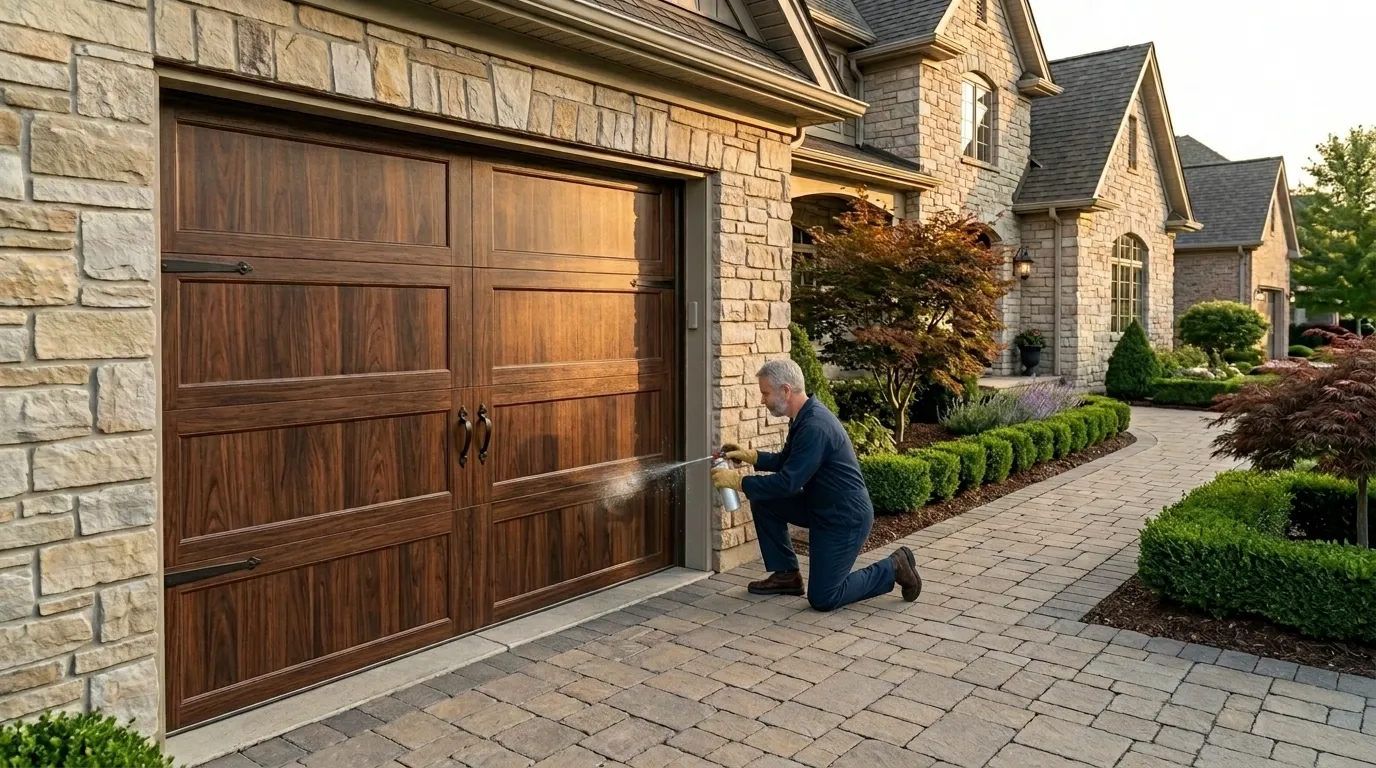
Most homeowners here treat the safety sensors like a light switch problem - the little lights are blinking, so they wipe the lenses, maybe kick the bracket, and call it fixed. That works for a week. The real issue in a lot of Bloomington garages isn't dirt on the lens, it's that the bracket holding the sensor has moved a few degrees off true.
With housing across this service area built mostly between 1956 and 2005, and the bulk of it dating to the 1960s and 70s across the 43 named areas we work in, you've got a lot of original slab work and original track mounting hardware that has had fifty-plus years to settle. People re-aim the sensor by eye, get the light solid green again, and never ask why it moved in the first place. Then it happens again in three months, usually right around a hard freeze.
Re-aiming without checking the bracket and the slab underneath it just resets the clock on the same problem - it doesn't fix why the beam keeps walking off center.
What Local Conditions Do
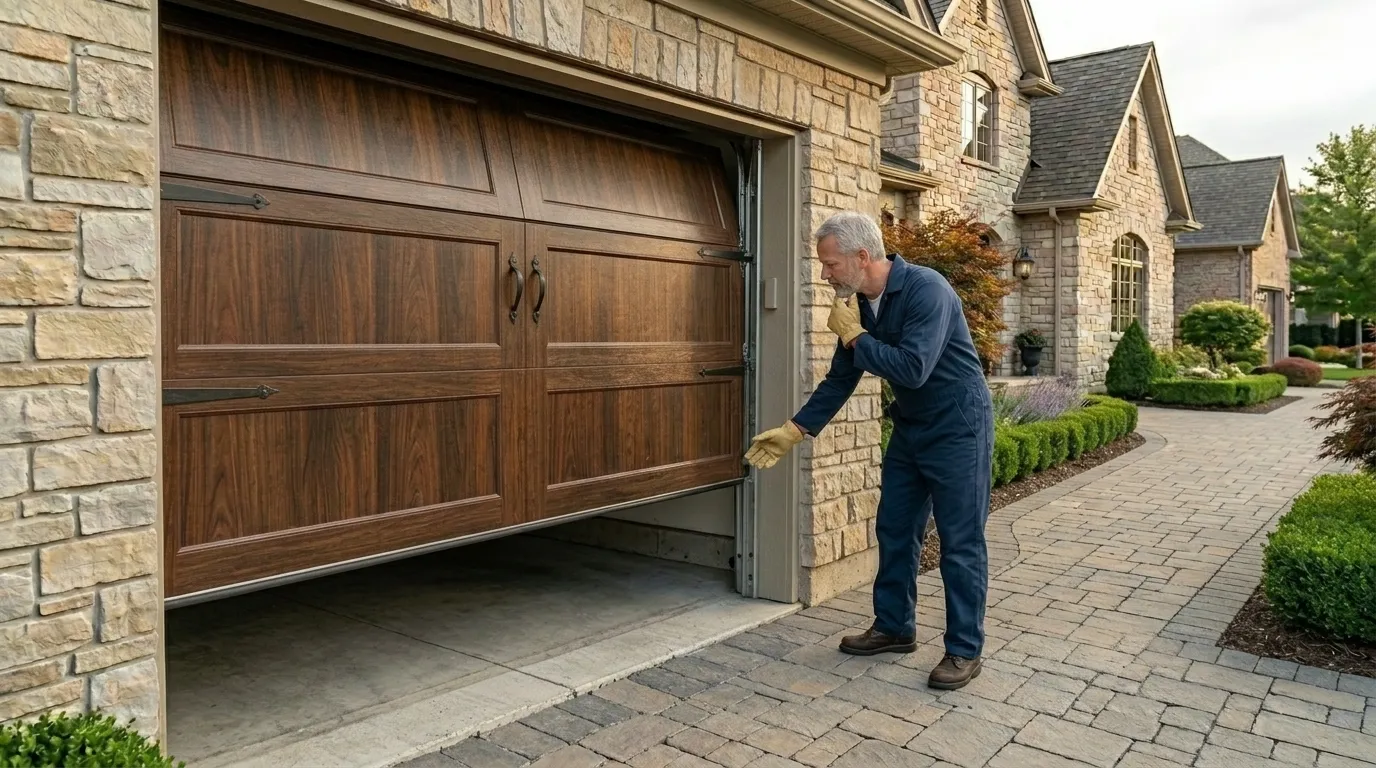
This area sits in a cold, moderate climate band, and that's the piece that actually explains the drift. Concrete slabs in this climate go through a freeze-thaw cycle every winter, and a garage slab that's forty or fifty years old - which describes a lot of stock here, given the 1973 median build year - has usually developed some heave or settling at the edges near the door opening. The track brackets are lag-bolted into the framing near that same slab line.
When the ground under the slab shifts even a little with frost, the whole door frame can rack slightly, and the sensor brackets mounted to the track go with it. It's not warping metal so much as the whole reference point moving underneath the sensor. In newer construction elsewhere this isn't much of an issue, but on a track system that's been through forty-plus freeze-thaw seasons in a cold climate zone, a quarter-inch of frame movement is enough to walk the beam off the receiving eye.
What Is Going On
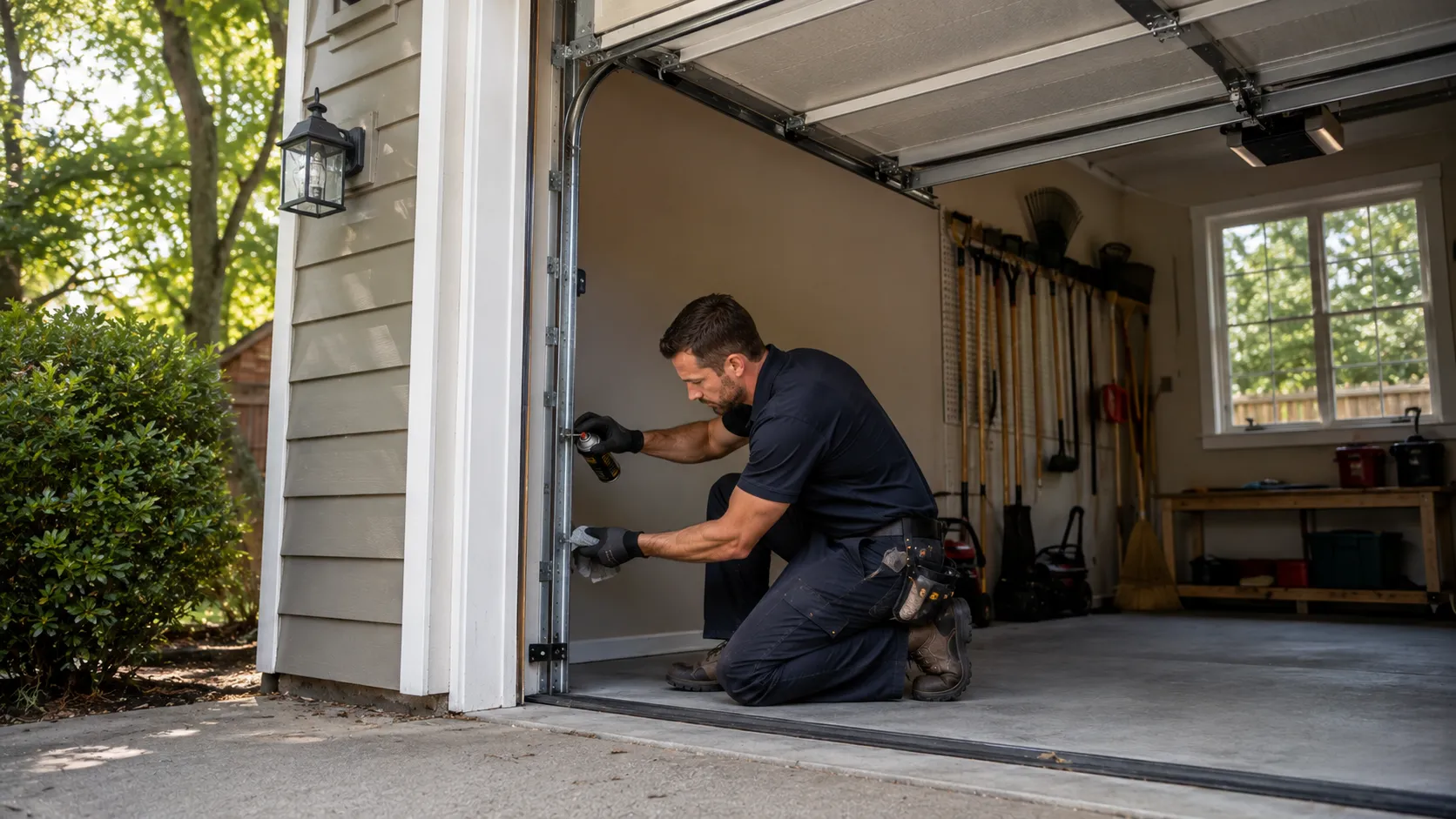
When the sensors drift, what you're actually seeing is a beam that no longer lines up eye-to-eye across the opening. On the older one-piece and sectional setups common to the 1960s-70s stock in this area, the bracket is often a bent-metal tab that was never designed to be re-torqued regularly, so once it's been knocked loose or nudged by a settling frame, it doesn't hold a new position well either. Some of these garages still have the original mounting points from construction, never upgraded when the opener itself was replaced over the years.
That mismatch - new opener, decades-old bracket geometry - is common enough here that we check it by default. A door that reverses randomly, or refuses to close and just blinks, is almost always this: a beam interrupted by a bracket that's a few degrees off, not a bad sensor unit. Sensors themselves rarely fail outright; the alignment is what fails.
When to Call Someone
If you've re-aimed the sensors more than once this season and they keep drifting back, that's worth a call - repeated drift on the same door usually means the bracket or the frame near it needs attention, not another eyeball adjustment. We'll be straight with you: if the slab has settled enough that the frame itself is racked, aligning the sensor is a short-term patch and the honest fix is addressing the frame mount, which is a bigger job than a sensor tweak.
We don't recommend replacing sensors that are aligning fine just because they're old - a working sensor doesn't need to be swapped on a schedule. But if your door is reversing on its own, not closing at all, or you're seeing the drift return within weeks of adjusting it yourself, that's a sign the mounting point has moved and it's worth having someone look at the whole track, not just the eyes.
How We Can Help
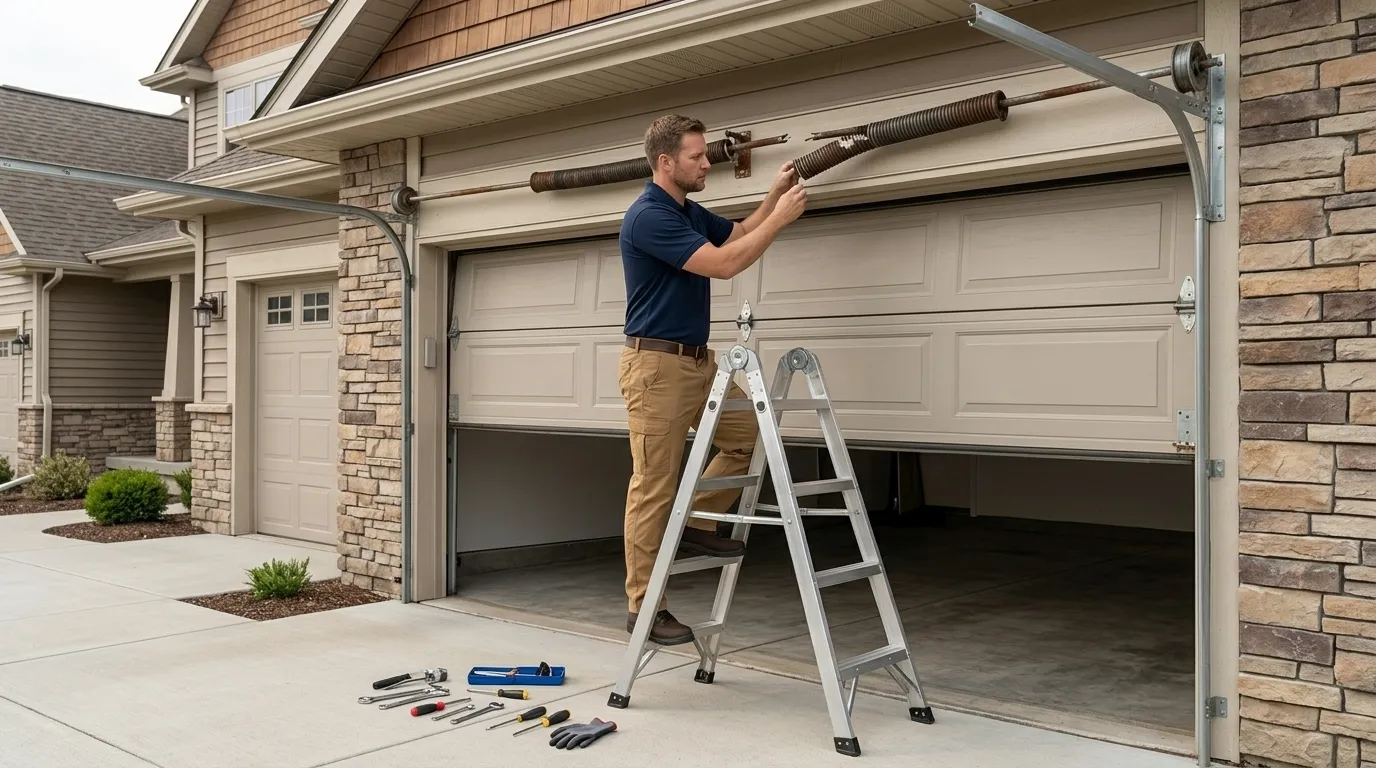
Garage Door Repair
Springs, cables, tracks, rollers, and openers fixed by a tech who explains the problem before touching anything.
Learn more →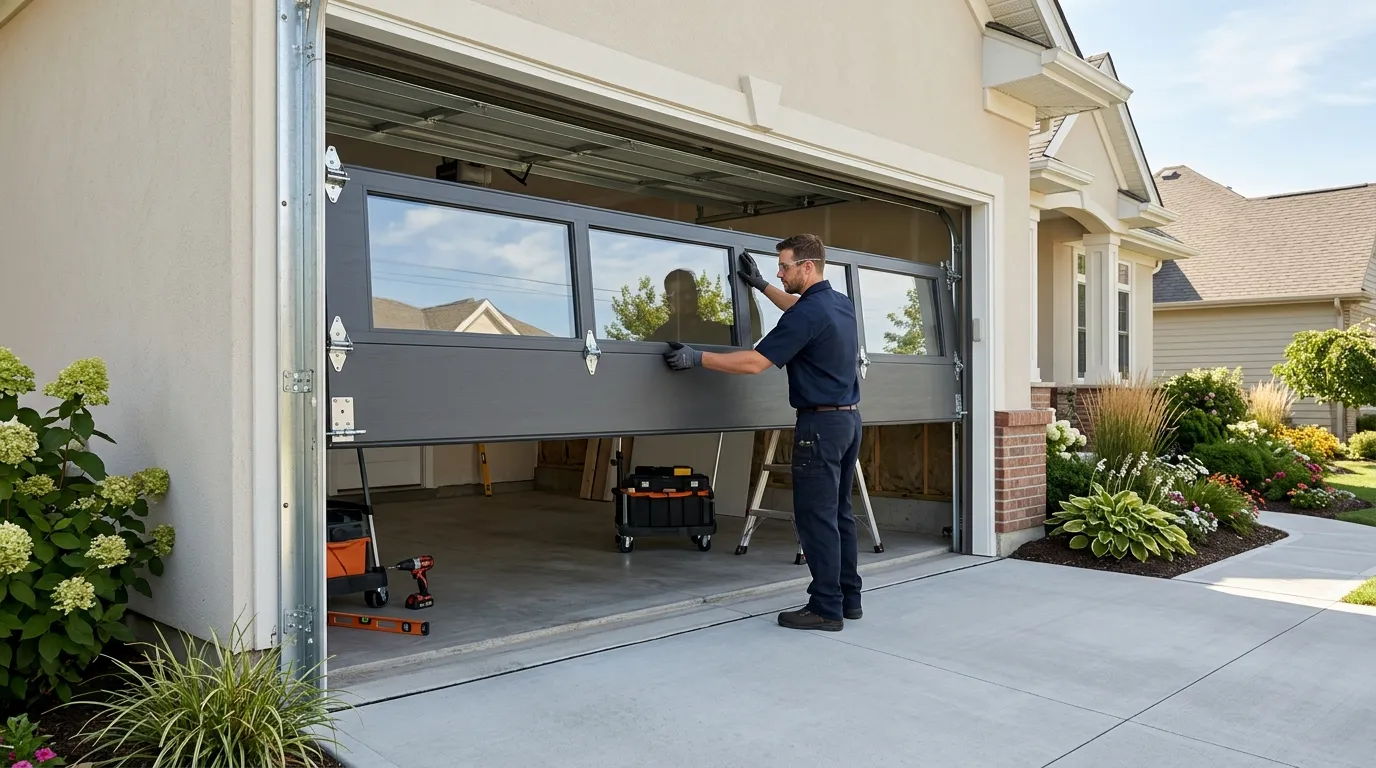
Garage Door Installation
New sectional doors sized and installed for the housing stock actually built in this area.
Learn more →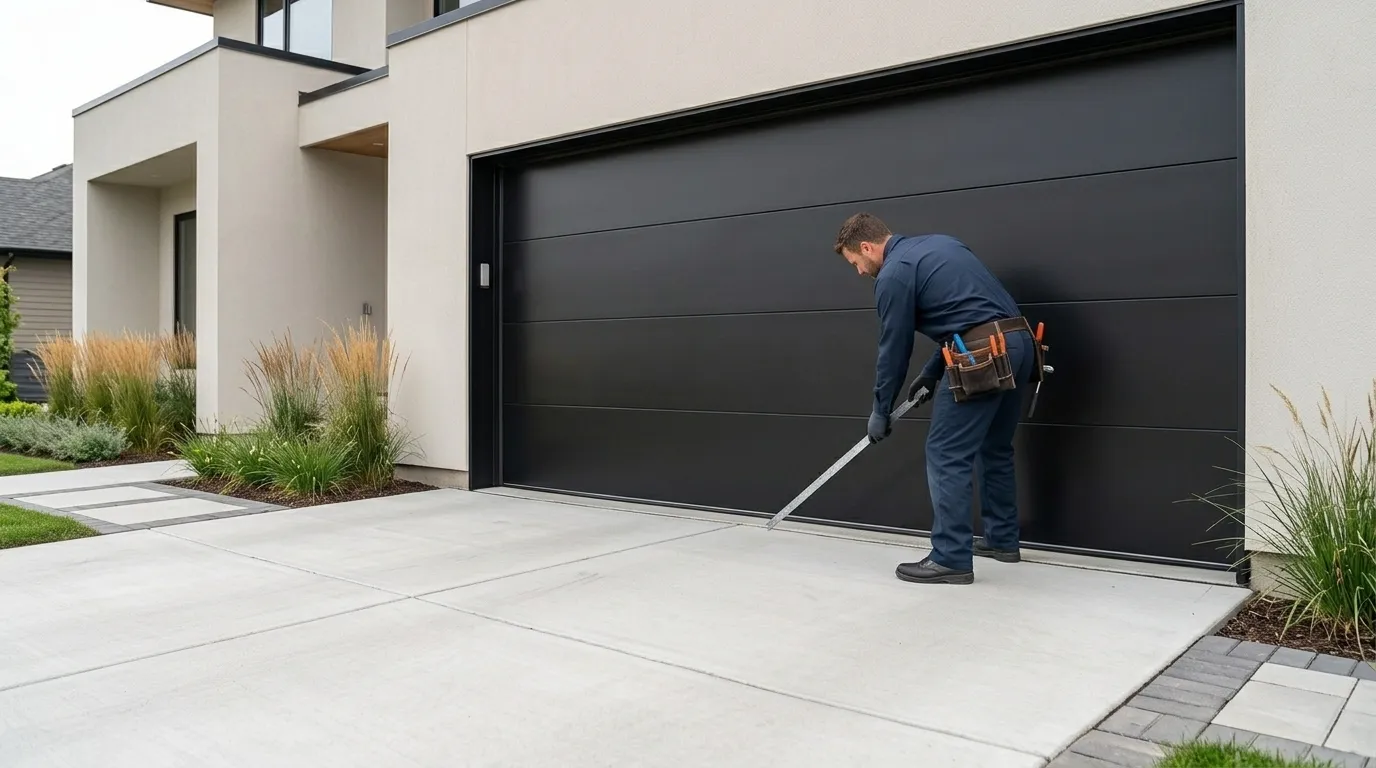
Garage Door Service
Tune-ups, lubrication, and safety checks that catch a small problem before it becomes a service call.
Learn more →Frequently Asked Questions
Why do my garage door sensors go out of alignment every winter?
In a cold climate area like this one, the slab under your garage door frame goes through freeze-thaw cycles each winter. On older homes - a lot of this area was built in the 1960s and 70s - the slab has had decades to settle unevenly, and that shifts the track brackets the sensors are mounted to, walking the beam off alignment.
Is it normal for a 1970s-era garage to have this problem more than a newer one?
Yes. Homes from that era often still have original mounting hardware near the slab, and after fifty-plus years of freeze-thaw cycles in this climate band, some frame movement near the door opening is common. Newer construction elsewhere hasn't had that many seasons to settle yet.
Can I fix sensor drift myself?
Re-aiming the sensors yourself is fine as a short-term fix, and most people can do it. But if it keeps drifting back within weeks, the bracket or frame near the slab has likely moved, and that's worth having looked at rather than re-aiming on a loop.
Does replacing the sensors stop the drift?
Usually not, if the sensors themselves are working. The drift is almost always a bracket or frame alignment issue, not a failed sensor. Swapping sensors when the mounting point is the real problem just means new sensors on the same bad bracket.
Have a Door That Needs a Second Opinion?
Call and describe what it is doing - we will tell you what it likely is.